Free shipping sitewide!* View Details
Free shipping sitewide!* View Details

How to Winterize a UTV: Cold-Weather Prep and Storage Checklist
October 15, 2026
0
UTV winter storage
old-weather UTV riding
UTV battery maintenance
UTV winter checklist
UTV tire
What Does It Mean to Winterize a UTV?
Winterizing a UTV means getting your side-by-side ready for cold weather or extended storage. It involves checking important parts, taking care of maintenance, and protecting the machine from problems caused by freezing temperatures.
What you need to do depends on your plans.
If you're parking until spring, focus on the battery, fuel, and keeping moisture out while your UTV sits.
If you're still riding, pay closer attention to tire pressure, fluids, and anything that might affect how your machine handles colder conditions.
Some owners do a little of both. Maybe your UTV stays parked most of winter but gets pulled out when there's snow to clear or work to do around the property. In those cases, you'll want to prepare for storage while keeping it ready to use.
Get the Latest from Rough Country
Sign up for our newsletter to receive product updates, exclusive deals, and off-road tips straight to your inbox.
Do You Need to Winterize a UTV If You Still Ride in Winter?
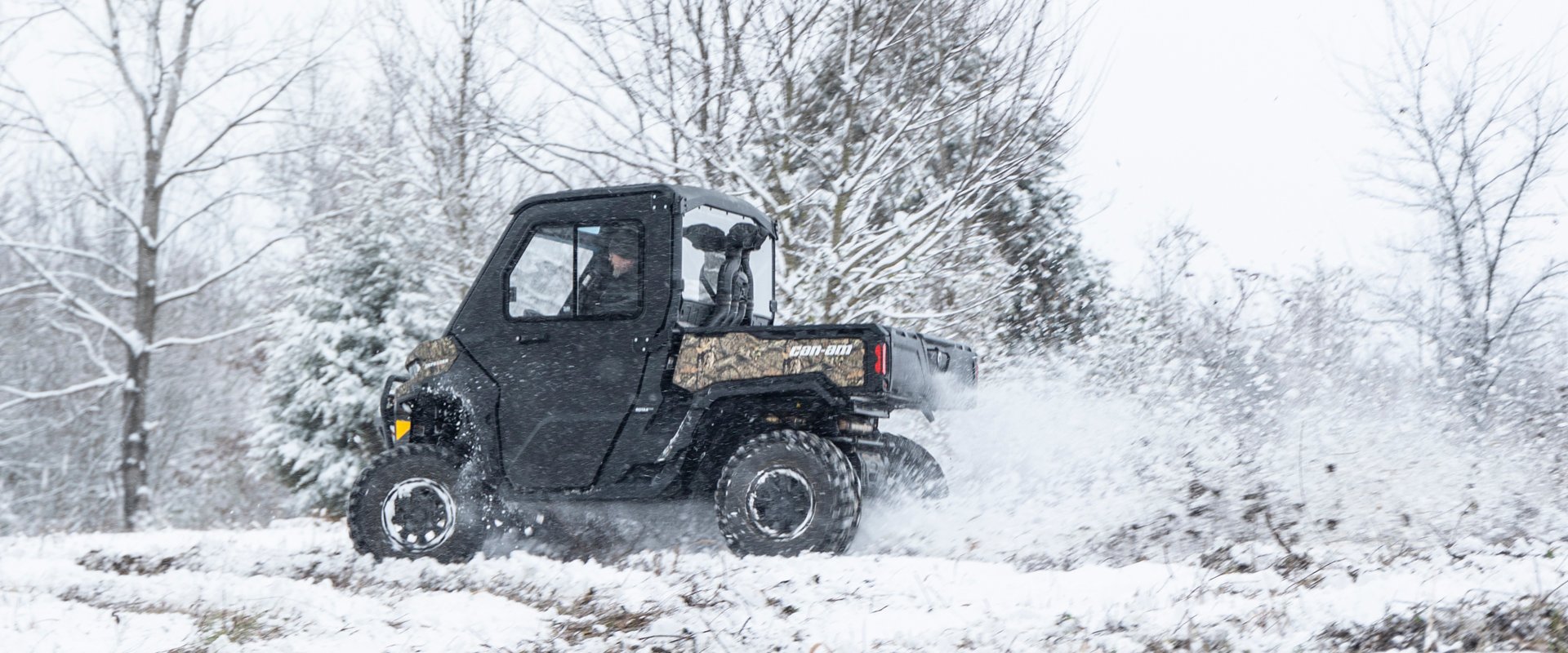
Yes. Even if you use your UTV all winter, cold weather affects how some of its parts work.
Batteries struggle more in freezing temperatures, tire pressure drops as the air gets colder, and snow or ice makes traction harder to find.
A Polaris Ranger used for daily farm chores needs different winter prep than a Can-Am Maverick parked in the garage until spring. Both benefit from a good inspection before temperatures drop.
If you're riding regularly, keep an eye on:
- Battery condition
- Coolant and other fluids
- Tire pressure and tread
- Drive belt and suspension
- Snow, ice, and mud buildup
Check Your UTV Battery Before Winter
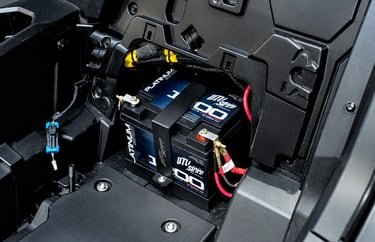
Ever turn the key on a freezing morning and get nothing but a slow crank? Cold weather is often when a weak battery finally gives up. Before winter, make sure your battery is charged and the connections are clean and tight.
If you notice corrosion around the terminals or your UTV has been slow to start, take care of those issues before temperatures drop.
If you're parking your UTV for several months, check your owner's manual to see if the battery should be disconnected or removed. A compatible battery maintainer is another good option for keeping your battery charged during storage. Even if you ride throughout winter, a maintainer is worth considering if your UTV sometimes sits for weeks between trips.
Check Coolant and Other Fluids
Before winter arrives, take a few minutes to check your UTV's fluids. It's a simple step that helps prevent problems when temperatures drop.
Engine Oil: Check the level and condition. Cold weather affects how oil flows, so make sure you're using the type recommended for your UTV and the temperatures you'll be riding in. If you're due for an oil change, take care of it before winter.
Coolant/Antifreeze: Check the coolant level and make sure it offers enough freeze protection for your area. If you're unsure, have it tested before freezing temperatures arrive.
Brake Fluid: Check the level and look for leaks. If it's time for a fluid change, get it taken care of.
Transmission and Differential Fluids: Check the levels where applicable and look for signs of leaks.
Different UTVs have different fluid requirements, so check your owner's manual before adding or changing anything.
Inspect Your UTV Tires and Tire Pressure
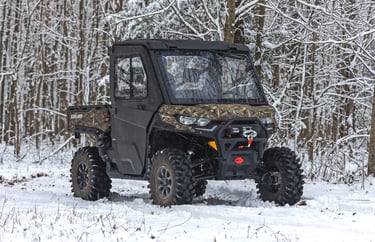
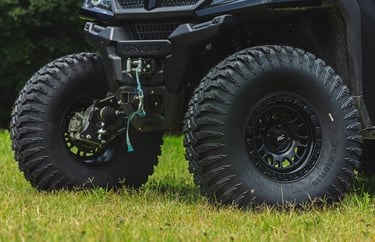
If you haven't checked your tires since the weather was warm, now's a good time.
Tire pressure drops as temperatures fall. A tire that was properly inflated in September might be low by December.
Check the pressure when your tires are cold and adjust it to your UTV manufacturer's recommendations.
While you're there, look for worn tread, cracks, cuts, or anything stuck in the tires.
Inspect the Drive Belt, CV Boots, and Suspension
Your UTV's drivetrain and suspension take plenty of abuse throughout the year. Add frozen ruts, snow-covered rocks, and muddy trails, and there's even more reason to check everything before winter.
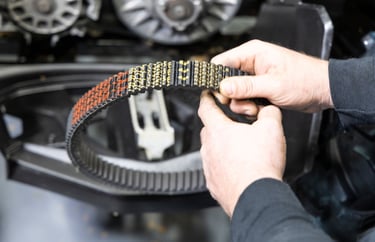
Start with the drive belt if your UTV has one. Look for cracks, frayed edges, or signs of unusual wear, following your owner's manual for inspection instructions.
Check for moisture or debris around the belt housing, too. Water inside can cause the belt to slip and affect how your UTV runs.
Next, look over the CV boots. These are the rubber covers around the joints on your axles. They're there to keep grease in and dirt and water out.
If you spot a torn boot or grease leaking out, take care of it before a small problem turns into a bigger repair.
Finally, give your shocks, steering parts, and suspension a good look. Check for anything loose, damaged, or worn, and grease any fittings recommended by your manufacturer.
Clean Your UTV Before Winter
Nobody expects a UTV to stay spotless. Mud and dirt come with the territory. But leaving months of buildup on your machine isn't a great idea, especially if you're putting it away.
Mud traps moisture, and road salt makes rust and corrosion worse.
Before storage, give your UTV a thorough wash. Pay attention to the undercarriage, wheel wells, suspension, and anywhere mud tends to collect.
Avoid spraying high-pressure water directly into electrical parts, seals, or air intakes.
Once everything is clean, let the machine dry completely. Check for trapped debris, inspect the air filter, and take care of any recommended lubrication.
If you're still riding, make a habit of washing away road salt and heavy mud after messy trips.
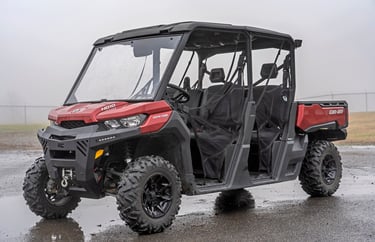
Prepare the Fuel System for Winter Storage
If your UTV is going to sit for several months, don't forget about the gas in the tank.
Gas doesn't stay fresh forever. Leave it sitting too long, and you might have trouble getting your UTV started when spring rolls around.
Many manufacturers recommend adding fuel stabilizer before long-term storage.
If your owner's manual calls for it, add the recommended amount, follow the instructions for filling the tank, and run the engine outdoors long enough to circulate the treated fuel.
Storage instructions vary by UTV, so don't assume every machine needs the same treatment.
If you're riding regularly throughout winter, stick with fresh fuel and your normal maintenance schedule.
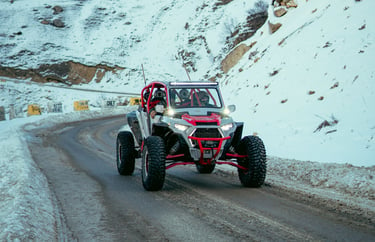
Protect Your UTV During Winter Storage
Where you park your UTV matters, especially if it's going to sit for several months.
A garage or enclosed shed is ideal. If you have to store it outside, use a properly fitted, breathable cover that protects against the weather without trapping moisture.
Before parking for the season:
- Make sure the UTV is clean and completely dry.
- Check the battery and follow the recommended storage instructions.
- Check tire pressure and storage recommendations.
- Remove anything that might attract mice.
- Keep the storage area clean and dry.
- Cover the machine with a breathable UTV cover.
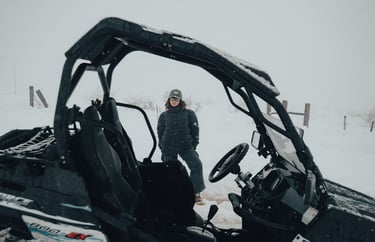
How to Prepare Your UTV for Winter Riding
If you're planning to keep your side-by-side running all winter, maintenance is only part of the preparation.
Anyone who's spent a freezing morning in an open-cab UTV knows how quickly cold wind takes the fun out of a ride.
A few upgrades help make winter work and trail rides more comfortable.
Full and Vented Windshields: A full windshield helps block cold wind, snow, and debris. A vented windshield gives you more control over airflow, which is helpful when the cab starts getting stuffy or the windows fog up.
Rear Panels, Side Windows, and Full Doors: Closing up the cab helps keep wind and snow off you. Make sure your windshield, roof, and doors are compatible before ordering.
Cab Heaters: If you spend hours feeding livestock, checking fences, or working around the property, a cab heater is worth considering. Heater options and installation requirements depend on your UTV.
LED Lighting: Winter days get dark early. Auxiliary lighting helps you see trails, obstacles, and work areas when daylight is limited.
Winches and Recovery Gear: Snow, ice, and mud make getting stuck a real possibility. A properly rated winch and recovery equipment help you prepare for those situations.
Lift Kits: Extra ground clearance helps when dealing with ruts, obstacles, or deeper snow. Lift height and compatible tire sizes depend on your UTV and the kit you choose.
Cargo Storage: Extra gloves, tools, recovery gear, and emergency supplies need somewhere to go. Cargo racks, storage bags, and organizers help keep everything in place.
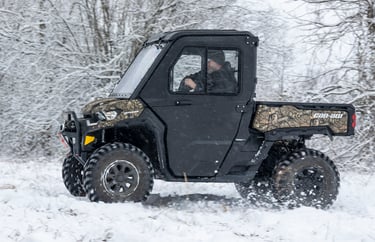
Whether you're putting your UTV away or keeping it working through winter, a little maintenance now makes life easier later.
Check the basics, take care of worn parts, and follow the recommended storage steps if you're parking for a while. If you're still riding, keep up with regular inspections and make sure your machine is ready for the conditions.
The last thing you want is a dead battery or a worn-out belt when there's work to do or a trail waiting.
FAQ
How do you winterize a UTV for storage?
Clean and dry your UTV, check the fluids and tires, prepare the fuel system, and take care of the battery. Lubricate recommended parts and store the machine in a clean, dry location. Follow your owner's manual for any additional long-term storage steps.
Do you need fuel stabilizer when storing a UTV?
Many UTV manufacturers recommend fuel stabilizer for long-term storage. Check your owner's manual for the correct product, amount, and instructions. Fuel treatment needs vary by model.
Should you remove your UTV battery during winter?
Some manufacturers recommend removing or disconnecting the battery during extended storage. A compatible battery maintainer helps keep it charged while the machine sits.
How do you prevent cold-start problems in a UTV?
Start with a healthy battery, fresh fuel, and the right engine oil for cold temperatures. Check your coolant and follow the manufacturer's instructions for starting and warming up the engine in cold weather.