Free shipping sitewide!* View Details
Free shipping sitewide!* View Details

How to Prep for a Lift Kit Install
February 27, 2026
0
Toyota 4Runner lift kit
Ford Lift Kit
lift kit install
Tundra lift kit
GMC Lift Kit
Why Prepping for a Lift Kit Install Matters
A lift kit changes suspension geometry, steering angles, brake line travel, and alignment settings. Skipping prep increases the risk of:
- Broken or seized suspension bolts
- Steering vibration or wandering
- Uneven tire wear
- Premature component failure
- Alignment complications
Professional installers know this: most lift kit problems are not caused by the kit. They are caused by poor preparation.
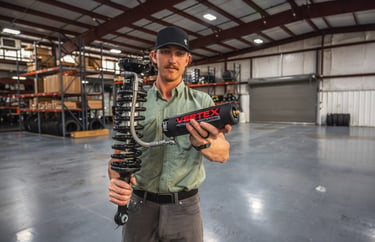
Inspect Suspension and Steering Components First
Before installing any aftermarket suspension system, inspect all factory components that will remain on the vehicle.
Check for:
- Ball joint wear
- Tie rod play
- Control arm bushing cracks
- Leaking shocks or struts
- Wheel bearing movement
- Track bar wear
Adding a suspension lift kit increases stress on steering and suspension parts. If components are worn before the install, they will show failure faster after lifting.
Professional best practice: check wheel play at 12 and 6 o’clock, then 3 and 9. Excess movement indicates wear that should be addressed before lifting.
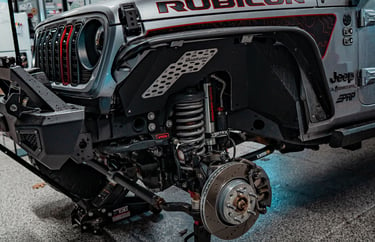
Pre-Treat Suspension Hardware
Corrosion is one of the biggest delays during a lift kit installation.
At least 48–72 hours before install day, apply penetrating oil to:
- Control arm bolts
- Strut or shock mounting hardware
- Sway bar links
- Leaf spring bolts
- U-bolts
- Track bar bolts
Repeat application daily if possible. Pre-treatment reduces the risk of snapped hardware and speeds up removal.
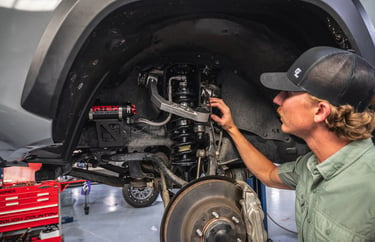
Record Baseline Ride Height Measurements
Before installing your Jeep lift kit or truck suspension lift, document current ride height.
Measure:
- Center of wheel hub to bottom of fender
Record all four corners.
This baseline allows you to:
- Confirm true lift height
- Identify pre-existing lean
- Verify suspension settling after installation
This step is standard procedure in professional suspension shops.
Confirm Tire Size and Wheel Fitment
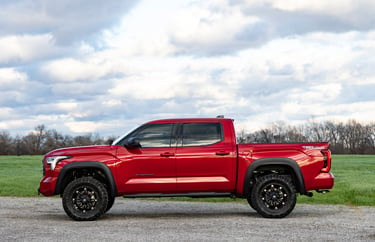
Most lift kit installations are paired with larger tires. Before disassembly, confirm:
- Target tire size
- Wheel backspacing
- Wheel offset
- Brake caliper clearance
- Fender and inner liner clearance
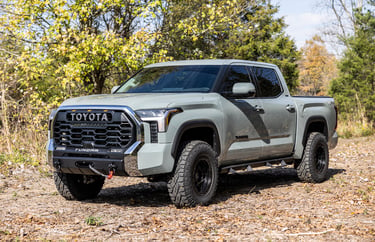
Incorrect wheel and tire fitment is one of the most common causes of post-install rubbing and steering interference.
Match tire size to lift height using manufacturer guidelines for your specific lift kit for trucks or Jeeps.
Prepare Proper Tools and Review Torque Specs
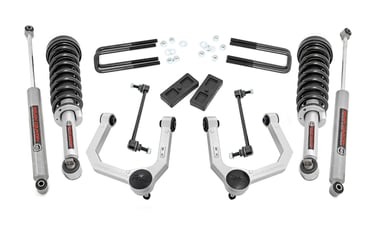
A clean install depends on the right tools and accurate torque values.
Essential tools:
- Heavy-duty jack and stands
- Torque wrench
- Breaker bar
- Impact wrench
- Pry bar
- Ball joint separator
- Spring compressor if required
- Anti-seize compound
- Thread locker
Before starting:
- Review factory torque specifications
- Review lift kit torque specs
- Disconnect the battery when working near ABS or steering components
Improper torque is a leading cause of suspension noise and hardware failure.
Plan for Alignment After Installation
Any suspension lift kit installation changes:
- Camber
- Caster
- Toe
Driving without alignment after lifting leads to:
- Uneven tire wear
- Steering pull
- Reduced handling stability
Schedule alignment immediately after installation. If lifting 4 inches or more, use a shop experienced with lifted vehicles.
Evaluate Brake Lines and Driveline Angles
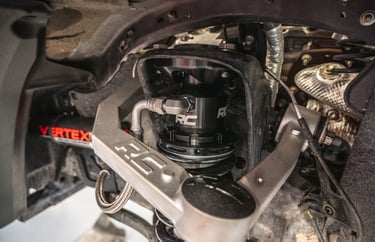
Increasing ride height increases suspension travel and operating angles.
Inspect:
- Brake line length and routing
- ABS sensor wire slack
- Driveshaft angle
- CV axle angle
Quality lift kits account for geometry changes with brackets or extensions. Verify what your kit includes and whether additional components are required based on lift height.
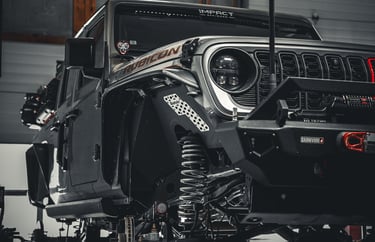
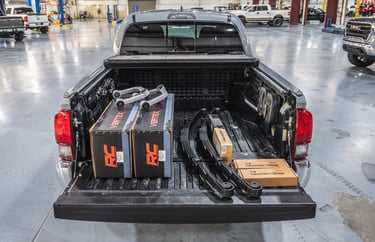
Verify All Lift Kit Components Before Teardown
Before removing factory suspension parts:
- Open all boxes
- Confirm hardware counts
- Verify bracket orientation
- Inspect for shipping damage
Matching parts to instructions before starting prevents mid-install delays
A properly prepped vehicle leads to a smooth lift kit installation and long-term suspension performance.
Inspect components. Confirm fitment. Follow torque specifications. Plan alignment. Re-torque after break-in.
Preparation is what separates a clean suspension upgrade from avoidable problems.
If you have installed a lift kit before, what prep step made the biggest difference for you? Leave a comment below and share your experience.
FAQs
Do I need new shocks when installing a lift kit?
Most complete lift kits for trucks and Jeeps include shocks designed for the new ride height. If your kit does not include shocks, you must install shocks rated for your lift height. Factory shocks are not designed to operate at extended travel ranges.
Should I replace ball joints before installing a lift kit?
Yes, if there is measurable wear. Larger tires and altered suspension geometry increase load on steering components. Replacing worn ball joints before installing a suspension lift kit prevents premature failure and alignment issues.
How long does lift kit installation take?
Install time depends on vehicle type and lift height. A leveling kit may take 2–4 hours. A full suspension lift kit installation typically requires a full day or weekend for experienced DIY installers.
Is alignment required after installing a lift kit?
Yes. Any change in suspension height requires alignment. Skipping alignment leads to uneven tire wear and compromised handling.
![Ford Strut Extensions [52200]](https://media.prod.roughcountry.com/cdn-cgi/image/width=155,format=webp,fit=cover/media/catalog/product/f/o/ford-lift-kit_52200-base.jpg)