Free shipping sitewide!* View Details
Free shipping sitewide!* View Details

Cold Weather Tire Pressure: Why It Drops and When to Add Air
November 6, 2026
0
air compressor
tire pressure
Tire Maintenance
PSI adjustment
pressure sensor
winter tire pressure
Why Does Tire Pressure Drop When It Gets Cold?
Tire pressure drops in cold weather because the air inside your tires cools. As the temperature decreases, air molecules move more slowly, reducing the pressure they exert against the tire walls.
This is normal and doesn't necessarily mean your tire has a leak.
For example, say you checked your tires on a 70°F afternoon and they measured 35 PSI. If the temperature drops to 30°F overnight, those same tires might read closer to 31 PSI the following morning.
The pressure changes as temperatures rise, too. Once you start driving, your tires warm up and the pressure increases.
But don't assume warmer tires mean the problem is solved. If your tires were underinflated when cold, they'll need air to return to their recommended cold inflation pressure.
Keep in mind, the 1 PSI per 10°F rule is an estimate. Actual changes depend on starting pressure, temperature, and tire specifications.
Why Does Your TPMS Light Come On in Cold Weather?
If your tire pressure monitoring system (TPMS) suddenly lights up on a freezing morning, you're not the only driver dealing with the issue.
Your tires might have been slightly underinflated already. When overnight temperatures drop, the additional pressure loss triggers the warning.
You might even notice the TPMS light disappear after driving for a while.
That's because driving generates heat, which increases the air pressure inside your tires. Once the tires warm up, the pressure might rise enough to clear the warning.
A disappearing TPMS light doesn't mean your tires have the correct cold pressure.
If the warning appears, check your tire pressure with a reliable gauge and make any necessary adjustments.
Cold weather sometimes makes an existing slow leak more noticeable, too.
If a tire continues losing pressure, have a qualified tire professional inspect it.
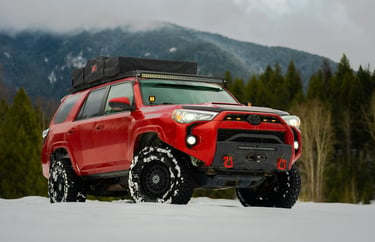
Should You Add Air to Your Tires in Winter?
Yes, if your tires are below their recommended cold inflation pressure. Cold weather doesn't mean you need to inflate your tires beyond their normal recommended pressure.
For trucks, Jeeps, and SUVs running factory-approved tires, start with the tire information label inside the driver's door or your owner's manual.
That label provides the manufacturer's recommended cold tire pressure for your vehicle.
One important detail: The maximum PSI listed on your tire's sidewall isn't your recommended everyday driving pressure.
If your truck has larger aftermarket tires, the correct pressure might differ from the factory recommendation. Tire construction, load rating, vehicle weight, and intended use all affect the pressure needed.
Don't guess or automatically use the original door sticker pressure for a modified tire setup. Have the appropriate pressure verified using the tire manufacturer's load and inflation information.
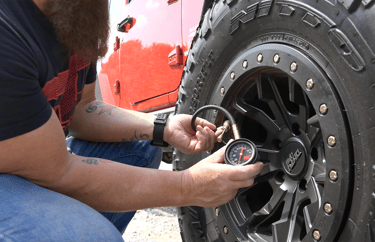
For an accurate cold pressure reading, check your tires before driving or after the vehicle has been parked for at least three hours.
Here's how:
- Remove the valve cap from the tire.
- Press a reliable tire pressure gauge firmly onto the valve stem.
- Read the pressure and compare it with the correct cold inflation specification.
- Add air if the pressure is low.
- Recheck the pressure and replace the valve cap.
- Repeat for each tire, including your spare if equipped.
If your tires are warm, don't release air simply to match the cold inflation specification. Doing so risks leaving them underinflated once they cool.
Checking pressure before your morning commute is an easy way to get an accurate reading.
Does Cold Weather Affect Larger Off-Road Tires?
Absolutely. Larger tires experience the same temperature-related pressure changes as standard tires.
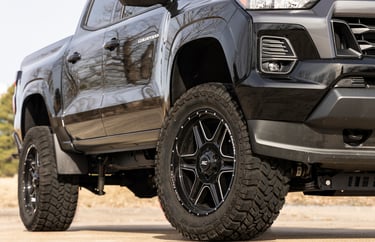
If you're running 33-inch, 35-inch, or 37-inch tires on your truck or Jeep, the main difference isn't necessarily how quickly the pressure changes. It's determining the correct pressure for your setup.
Larger aftermarket tires often have different load ratings, construction, and sidewall characteristics compared with factory tires.
For example, switching from factory passenger-rated tires to larger LT-rated all-terrain tires sometimes requires a different inflation pressure to maintain the necessary load capacity.
A larger tire doesn't automatically need more or less PSI simply because of its size.
How Tire Pressure Affects Winter Traction, Handling, and Braking
Tire pressure plays an important role in how your truck handles wet, snowy, and icy roads.
Proper inflation helps your tires maintain their intended shape and perform as designed.
When pressure is too high or too low, tire performance changes.
What Happens When Tires Are Underinflated?
Underinflated tires flex more than intended, creating additional heat and placing stress on the tire.
Potential problems include:
- Sluggish steering response
- Uneven tire wear
- Reduced fuel efficiency
- Increased heat buildup
- Greater risk of tire damage
- Less predictable handling and braking
What Happens When Tires Are Overinflated?
Overinflated tires become stiffer and might struggle to conform to uneven road surfaces.
Possible problems include:
- Harsher ride quality
- Increased center tread wear
- Reduced traction on certain surfaces
- Changes in handling and braking response
And while lowering tire pressure sometimes helps off-road, intentionally underinflating your tires isn't the answer for driving on snowy highways.
For everyday winter driving, maintaining the correct tire pressure is more important than trying to create extra traction by adding or removing air.
Remember, tire tread design, rubber compound, tread depth, and road conditions also affect winter traction.
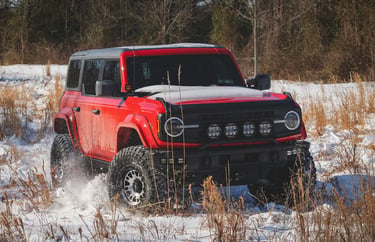
Does Cold Weather Affect UTV Tire Pressure?
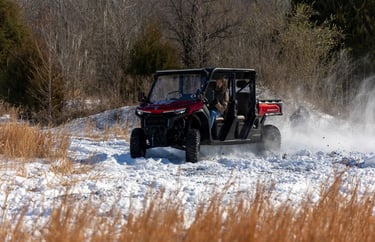
Yes. Cold weather affects UTV tires the same way it affects truck tires, but small pressure changes deserve extra attention because UTV tires often operate at much lower pressures.
For example, if your UTV tires normally run at 12 PSI, dropping to 10 PSI represents a pressure decrease of nearly 17%.
That difference affects how your tires respond on the trail.
UTV tire pressure influences:
- Steering response
- Traction on mud, rocks, and snow
- Sidewall flexibility
- Ride quality
- Tire and wheel protection
- Tire bead retention
How Often Should You Check UTV Tire Pressure?
Check your UTV tire pressure before every ride, especially during periods of changing temperatures.
Use a low-pressure gauge for accurate readings, and follow your UTV and tire manufacturer's recommendations.
If you've upgraded your wheels or tires, verify the proper inflation pressure for the new setup.
Don't assume the same pressure works for every UTV or every type of terrain.
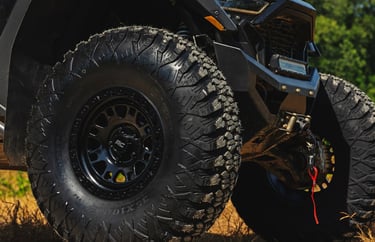
Why an Air Compressor Is Worth Keeping in Your Truck or UTV
Whether you're dealing with a sudden temperature drop or airing back up after a trail ride, having a portable air compressor makes tire pressure adjustments easier.
Instead of searching for a gas station with a working air pump, you've got an air source with you.
Rough Country offers several options for different needs.
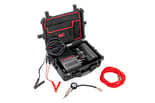
The RS200A 12V Air Compressor delivers 5.65 CFM with a maximum pressure of 150 PSI. It includes an air hose, pressure gauge, nozzle kit, and carrying case, making it a practical option for checking and adjusting tire pressure at home or on the trail.
For larger tires or frequent off-road use, Rough Country's RS205A Twin Motor Air Compressor delivers 6.16 CFM and features a 100% duty cycle.
The portable RS208A Twin Motor Air Compressor also delivers 6.16 CFM and includes a waterproof, lockable carrying case. Rough Country rates this model for inflating a 35-inch tire in approximately 2 to 3 minutes under its stated product conditions.
These options are useful for off-road enthusiasts who regularly adjust pressure for changing terrain.
A portable compressor paired with a quality pressure gauge makes a practical addition to your winter recovery gear.
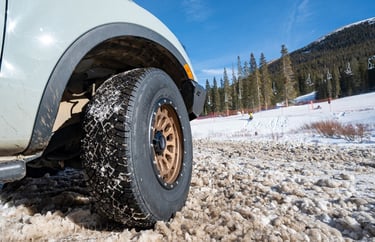
How Often Should You Check Tire Pressure in Cold Weather?
For everyday road vehicles, check tire pressure at least once a month and whenever temperatures change significantly.
During fall and winter, checking more frequently helps you catch pressure changes before they become a problem.
A weekly check is a practical habit during periods of frequent temperature swings.
For UTVs, check pressure before every ride.
And before heading out for a long trip, towing heavy equipment, or spending the day off-road, take a few extra minutes to inspect your tires.
Keep an eye on tread wear, sidewall condition, and visible damage along with pressure.
Keep Your Tires Ready for Winter
Cold weather affects tire pressure, but staying ahead of the changes doesn't require much effort.
Check your tires regularly, add air when pressure falls below the correct specification, and pay attention to repeated TPMS warnings.
If you're running larger aftermarket tires or spending time off-road, make sure your inflation pressure matches your vehicle, load, and driving conditions.
And whether you're preparing for a winter road trip or heading onto the trails, having the right tools makes tire maintenance easier.
Explore Rough Country's wheels, tires, air compressors, and off-road accessories to help keep your truck, Jeep, or UTV ready for the season.
FAQs
How much PSI do tires lose in cold weather?
Tire pressure typically drops around 1 PSI for every 10°F decrease in temperature. A 30-degree temperature drop might reduce pressure by approximately 3 PSI. Actual pressure changes depend on tire specifications and starting pressure.
Why does my tire pressure light come on when it's cold?
Cold temperatures reduce the air pressure inside your tires. If pressure falls below your vehicle's TPMS warning threshold, the light appears. Check your tires with a gauge rather than assuming the warning is temporary.
Is it safe to drive with low tire pressure in cold weather?
Driving with significantly underinflated tires increases the risk of poor handling, tire damage, and failure. Check the actual pressure and tire condition before driving. A severely underinflated or visibly damaged tire needs attention before the vehicle is driven.
How often should I check tire pressure during winter?
Check truck, Jeep, and SUV tire pressure at least monthly and after major temperature drops. Weekly checks are helpful during frequent temperature swings. Check UTV tire pressure before each ride.