Free shipping sitewide!* View Details
Free shipping sitewide!* View Details

Power Running Boards for Lifted Trucks: Are They Worth the Upgrade?
October 9, 2026
0
Power Running Boards
Power Steps
What Are Power Running Boards?
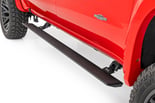
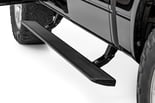
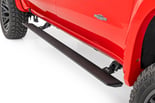
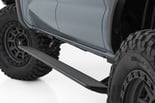
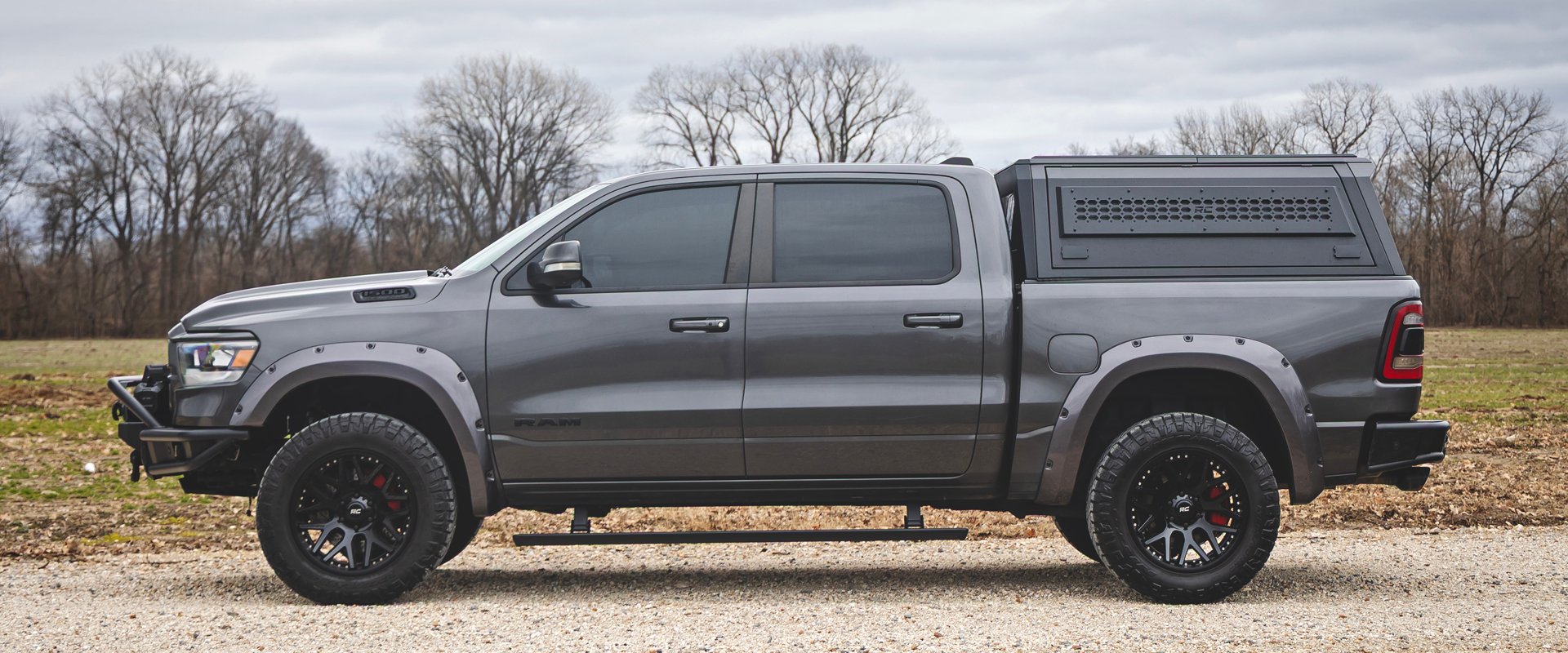
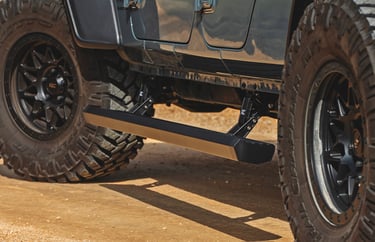
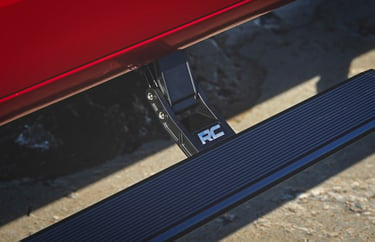
Power running boards are electric steps designed to make getting in and out of a truck or SUV easier. Unlike traditional running boards, which stay in place, these steps move automatically when you open and close your doors.
Open the door, and the board extends into position. Close the door, and the board retracts underneath the rocker panel, the lower section of the truck's body beneath the doors.
The system uses electric motors, brackets, wiring, and door sensors or controls to operate the steps.
Rough Country's Power Running Boards include features such as aluminum construction, textured stepping surfaces, integrated LED lighting, and automatic SAFE-STOP technology, which stops board movement when an obstruction is detected.
The idea is simple. You get a step when you need one and a cleaner look when you don't.
Get the Latest from Rough Country
Sign up for our newsletter to receive product updates, exclusive deals, and off-road tips straight to your inbox.
Why Do Power Running Boards Work Well on Lifted Trucks?
The higher your truck sits, the more noticeable the climb into the cab becomes. A suspension lift raises the body along with the frame, putting the door opening farther from the ground.
Power running boards help close the gap between the ground and the cab, making everyday entry and exit easier.
They Make Climbing into a Lifted Truck Easier
If you've ever watched someone struggle to climb into a lifted truck, you already understand the appeal.
Power running boards provide a lower stepping point, so passengers don't have to stretch as far to reach the cab. This comes in handy for children, shorter passengers, and anyone who has trouble stepping up into a taller vehicle.
Even for taller drivers, having a step makes a difference when getting in and out several times throughout the day.
They Stay Out of the Way When You're Driving
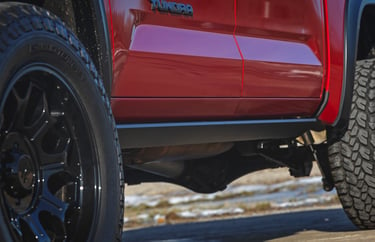
Traditional running boards stay visible below the doors. Power running boards retract close to the body once the doors close.
This gives the truck a cleaner appearance and keeps the stepping surface from hanging as low while you're driving.
For owners who like the look of a lifted truck without permanent steps along the sides, that's a big part of the appeal.
They Make Every Day Driving More Convenient
Think about how often you climb into your truck during a normal week. Going to work, running errands, loading up for a trip, or helping the kids into the back seat.
With power running boards, the step is already there when you open the door. You don't have to search for a foothold or pull yourself into the seat.
It's a small convenience you'll appreciate more with daily use.
Power Running Boards vs. Fixed Running Boards
Both options make getting into your truck easier. The difference comes down to how you use your truck, how much you want to spend, and whether you prefer a permanent or retractable step.
|
Feature |
Power Running Boards |
Fixed Running Boards |
|
Step position |
Extend and retract automatically |
Stay in place |
|
Ground clearance |
Step tucks closer to the body |
Step remains exposed |
|
Ease of entry |
Deployable lower step |
Depends on mounting height |
|
Installation |
Mounting and electrical wiring |
Typically, simpler mounting |
|
Maintenance |
Motors, wiring, and moving parts |
Fewer components to maintain |
|
Cost |
Generally higher |
Generally lower |
|
Appearance |
Tucked away when not in use |
Always visible |
Which Running Boards Are Better for a Lifted Truck?
If easier entry and a cleaner appearance are your priorities, power running boards have the advantage. You get a lower step without leaving the board extended all the time.
Fixed running boards make sense if you want something simple, affordable, and always ready to use. With no motors or electrical components, there's less to worry about maintaining.
Neither option is automatically better for every truck. A daily-driven lifted pickup has different needs than a dedicated trail rig.
Are Power Running Boards Good for Off-Roading?
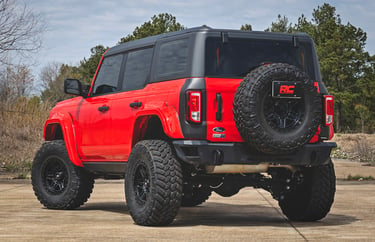
Power running boards are a practical option for trucks used on gravel roads, dirt trails, campsites, and lighter off-road terrain. Since the steps retract when the doors close, they stay closer to the body instead of hanging below the cab.
But there's an important distinction between power running boards and rock sliders.
Rock sliders are built to help protect the lower sides of your vehicle from contact with rocks and other obstacles. Power running boards are designed primarily for getting in and out of the vehicle.
If you regularly take your truck rock crawling or through trails with deep ruts and large obstacles, rock sliders are generally the better choice.
For a truck used mostly on the road, with occasional weekends off the pavement, power running boards make more sense. You get the convenience of a step without keeping one extended during every drive.
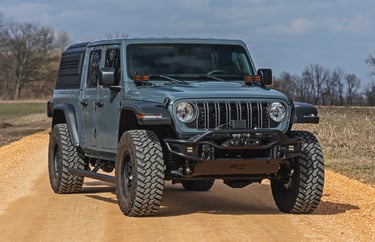
Who Should Consider Power Running Boards?
Power running boards make the most sense for truck owners who want easier access to the cab without permanently mounted steps hanging below the doors.
They're worth considering if:
- You drive a lifted truck and want a lower step into the cab.
- Your truck is your daily driver, and you're constantly getting in and out.
- You regularly have kids or shorter passengers riding along.
- You prefer the appearance of a truck without visible running boards.
- You drive on gravel roads or moderate trails and want the steps tucked away.
- You're willing to spend more for automatic operation and added convenience.
If your truck spends most of the week commuting and the occasional weekend exploring, power running boards fit that lifestyle well.
On the other hand, if you're building a truck primarily for rock crawling or want the simplest stepping solution available, fixed steps or dedicated rock sliders deserve a closer look.
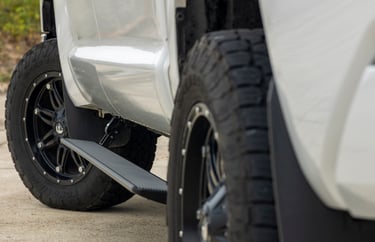
How Do You Choose Power Running Boards for a Lifted Truck?
Before ordering, make sure the running boards fit your truck and provide the stepping position you need. A few details make a difference.
Check Your Truck's Fitment
Start with your truck's year, make, model, trim, and cab configuration.
For example, a Crew Cab and an Extended Cab might use different board lengths and mounting hardware. Some factory options and aftermarket components also affect fitment.
Rough Country's HT-Series Power Running Boards for certain Ram 2500/3500 trucks, for example, have restrictions involving factory air-ride suspension, extended-range DEF tanks, and aftermarket traction bars.
Always check the fitment notes for your specific application.
Think About Your Lift Height
A 3-inch lift and a 6-inch lift create different entry heights, especially when larger tires are involved.
The taller your truck sits, the more important the deployed step position becomes.
Don't choose running boards based on lift height alone. Look at how far the step extends below the rocker panel and whether the position feels comfortable when entering the cab.
For example, Rough Country's power running boards for select 2024–2026 Toyota Tacoma Double Cab models list a 5.9-inch drop from the rocker panel and a 9-inch drop from the door entry. Those measurements are product-specific, so check your application before ordering.
Look at the Stepping Surface and Weight Rating
A wide, textured stepping surface gives passengers a place to plant their feet, especially in wet or muddy conditions.
Check the manufacturer's weight rating as well.
Rough Country's HT-Series Power Running Boards feature a 6-inch-wide aluminum stepping surface and a 660-pound weight capacity per side on the referenced applications.
Consider Where You Drive
If you live somewhere with snow, road salt, or frequent rain, look for durable materials and a textured stepping surface.
If your truck regularly sees muddy trails, plan on checking and cleaning the mechanisms more often.
And if you're building a serious off-road truck, think about whether you need rocker protection instead of traditional entry steps.
Review the Installation Requirements
Before buying, check whether the kit requires drilling, electrical connections, or additional modifications.
Rough Country offers no-drill power running board applications, but the installation still involves brackets, wiring, and electrical components.
For example, the Toyota Tacoma application referenced above lists an estimated installation time of 3–5 hours. Other trucks and running board systems have different requirements.
Are Power Running Boards Worth the Investment?
If you've lifted your truck and find yourself climbing into the cab every day, power running boards are an upgrade worth considering.
They make getting in and out easier, help passengers reach a higher cab, and retract when the doors close. You also avoid having a fixed step hanging below the truck all the time.
They're more expensive than traditional running boards and have a few extra components to maintain. But for a daily-driven truck, the convenience is hard to overlook.
If you're ready to make getting into your lifted truck a little easier, check out Rough Country's Retractable Steps to find an option for your setup.
FAQs
Do power running boards work with a 6-inch lift?
Yes, power running boards work with many trucks equipped with a 6-inch suspension lift. Compatibility depends on the vehicle, mounting locations, and aftermarket components. Check fitment and step placement before ordering.
How far do power running boards drop down?
The drop varies by model. Some Rough Country power running boards extend approximately 5.9 inches below the rocker panel when deployed. Check the specifications for your vehicle to find the exact measurement.
Do power running boards work in snow and ice?
Yes, power running boards are designed for use in different weather conditions. Snow and ice buildup might interfere with their movement, so keep the mechanisms clean and remove accumulated debris before operating the boards.
Do power running boards require maintenance?
Yes, power running boards need occasional cleaning and inspection. Check moving components for dirt or debris, inspect wiring and mounting hardware, and follow the manufacturer's maintenance recommendations.
Will power running boards fit with an aftermarket lift kit?
Many aftermarket lift kits are compatible with power running boards. Fitment depends on the suspension design, mounting locations, and surrounding components. Long-arm suspension systems, traction bars, or modified brackets might cause interference on certain vehicles.