Free shipping sitewide!* View Details
Free shipping sitewide!* View Details

What Is a Headache Rack? (And Do You Need One?)
July 22, 2026
0
Truck accessories
GM Headache Rack
Ford F150 Headache Rack
RAM Headache Rack
Why Is It Called a Headache Rack?
The name comes straight from the commercial trucking industry. Before modern cab protectors became standard equipment, a hard stop with an unsecured load could send cargo through the rear window and into the cab — literally giving the driver a headache, or worse.
The name stuck. Now it applies to the same protective panel you'll find on pickup trucks used for work, hauling, and off-road builds.
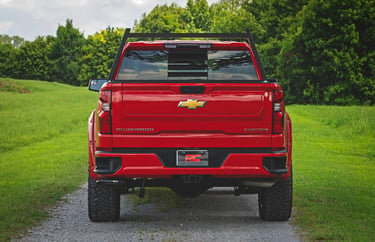
What Does a Headache Rack Actually Protect?
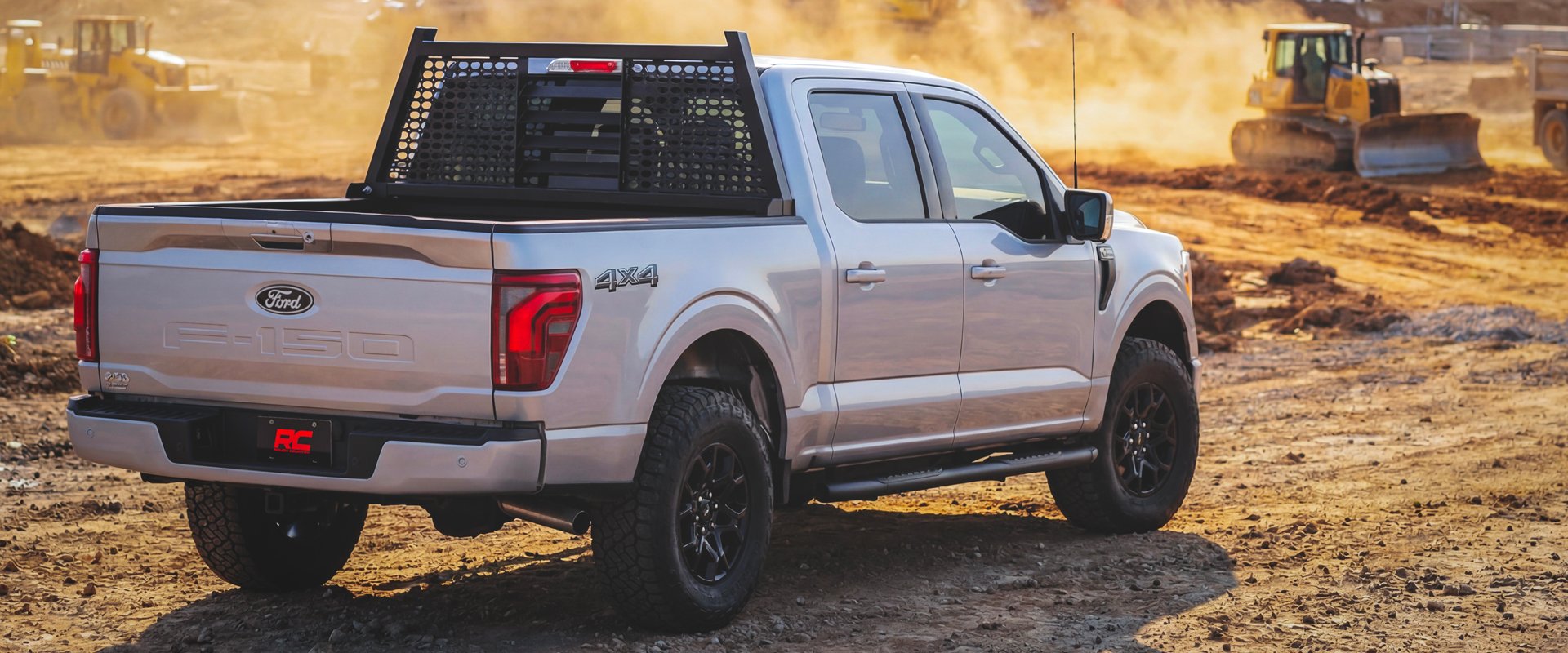
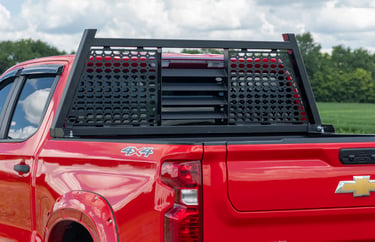
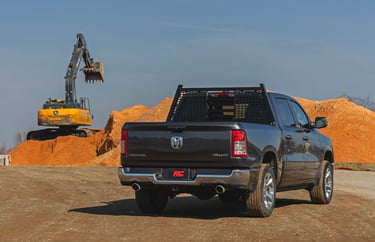
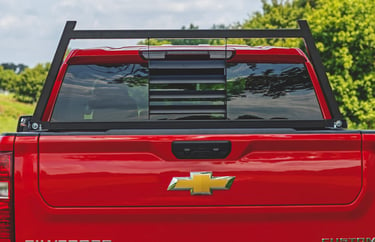
The most obvious answer is your rear window. A headache rack sits directly behind the cab and acts as a physical barrier between cargo and glass.
But the protection goes further:
- Rear window: Stops cargo from punching through on a sudden stop or low-speed accident
- Cab occupants: Reduces the risk of injury from load shift in a collision
- Your cargo: Helps keep gear from rolling or sliding forward in the bed
- Resale value: Prevents cab damage that's expensive to fix and tanks trade-in offers
For contractors hauling pipe and rebar, landscapers moving equipment, or overlanders loading up for a weekend run, a headache rack is basic safety gear — not an upgrade.
Types of Headache Racks
Not all headache racks look the same. Here's a breakdown of the main styles:
Full Panel (Solid Steel)
A flat, solid panel across the front of the bed. Maximum protection and a clean, blocky look. The trade-off: it blocks your rear view almost completely. Common on dedicated work trucks where visibility through the cab is less of a priority.
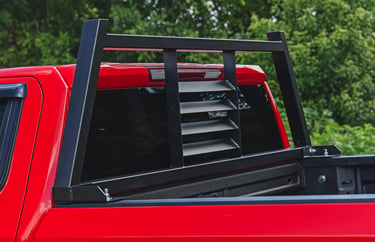
Louvered
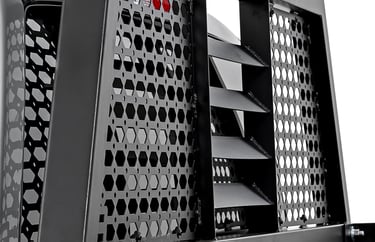
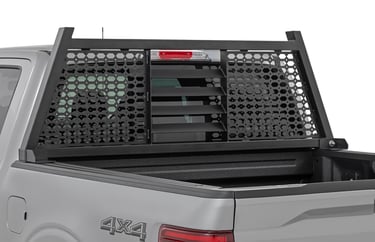
Horizontal slats cut into a steel panel. You get strong cab protection while maintaining reasonable sightlines through the rear window. A practical balance between looks and function — and the most popular style for everyday haulers.
Tubular / Pipe Style
A frame of steel or aluminum tubing. Lighter than solid panels, with an open design that keeps airflow through the bed. Good for truck owners who want protection without the bulk. Less resistant to high-impact loads than a full panel.
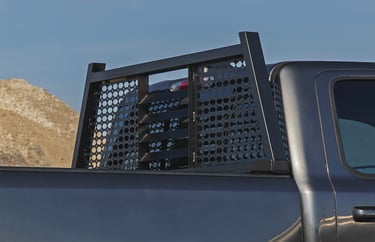
Window / Mesh Style
A perforated or mesh panel that gives near-full rear visibility. Best for daily drivers who need cab protection but don't want to compromise their backup camera's line of sight.
Get the Latest from Rough Country
Sign up for our newsletter to receive product updates, exclusive deals, and off-road tips straight to your inbox.
Who Should Buy a Headache Rack?
Think about what you actually haul. A headache rack earns its spot if you:
- Regularly carry lumber, conduit, ladders, or any long, heavy material
- Work in construction, landscaping, agriculture, or any trade that puts your truck bed to work
- Use your truck for overlanding or camping builds where gear can shift
- Want to protect your rear window without adding a full bed cap or cover
If your truck mostly carries light, secured loads, the urgency drops. But even then, a headache rack adds a layer of protection that pays off the one time it actually matters.
How to Choose the Right Headache Rack
1. Match the Style to Your Visibility Needs
If you use your rear window or backup camera regularly, a louvered, mesh, or tubular rack keeps your sightlines intact. A solid panel will cut that view significantly.
2. Choose the Right Material
Steel is heavier but handles hard impacts better. Right choice for contractors hauling dense materials. Aluminum saves weight and resists rust — better for wet climates or coastal use.
3. Look for a No-Drill Mount
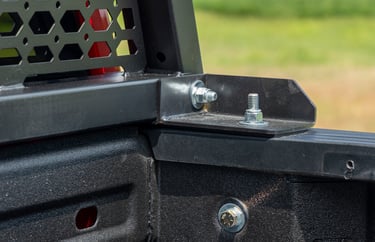
Most racks mount into your truck's stake pockets — the rectangular slots along the bed rail. No-drill stake pocket designs are the cleanest option: no holes drilled into your bed, no rust points created, and easy to remove if you need to.
4. Check for MOLLE Panels
Some racks include MOLLE webbing — the modular attachment grid that lets you strap on gear bags, tool pouches, or accessories. Useful for overlanding setups or organized job site loads.
5. Confirm Fit for Your Specific Truck
Headache racks are vehicle-specific. A rack designed for a Ford F-150 won't fit a Ram 1500. Always verify year, make, and model before you buy.
FAQs
Will a headache rack work with my tonneau cover?
It depends on the cover style. Hard folding and roll-up covers that close at the cab end typically aren't compatible — the rack sits where the cover needs to seal. Retractable covers that open toward the tailgate often work fine alongside a headache rack. Check compatibility before purchasing both.
Does a headache rack hurt fuel economy?
The impact is minimal. Any structure on a truck changes airflow, but the MPG effect from a headache rack is small — less than you'd see from a full load of cargo or a change in driving speed.
How hard is installation?
Most no-drill stake pocket racks install in under an hour with basic hand tools. A second person helps when lifting the rack into position. No welding or drilling required on no-drill designs.
Are headache racks universal?
Most quality racks are truck-specific, built to match your cab dimensions and bed rail width. Universal racks exist but tend to fit less precisely and may not look as clean or sit as securely.