Free shipping sitewide!* View Details
Free shipping sitewide!* View Details

How Much Weight Is Too Much? The Hidden Cost of Overloading Your Truck
July 24, 2026
0
Truck Payload
Truck Towing Capacity
GVWR
GAWR
GCWR
Safe Towing
Understanding Your Truck’s Weight Ratings
Several ratings determine how much your truck is designed to carry or tow.
Curb Weight: The weight of the truck with standard equipment and required operating fluids. Exact definitions vary by manufacturer, so refer to your owner’s manual.
Payload Capacity: The maximum combined weight of passengers, cargo, accessories, and trailer tongue or fifth-wheel pin weight carried by the truck.
Gross Vehicle Weight Rating: GVWR is the maximum allowable weight of the fully loaded truck. This includes the truck, passengers, cargo, accessories, and the portion of trailer weight placed on the hitch.
Gross Axle Weight Rating: GAWR is the maximum allowable weight supported by an individual axle. Trucks have separate front and rear ratings. A truck might remain under its GVWR while exceeding the rear GAWR due to poor weight distribution.
Gross Combined Weight Rating: GCWR is the maximum allowable combined weight of the loaded truck and loaded trailer.
Look for the certification and tire-loading labels near the driver-side door or door jamb. The label often states that the combined weight of occupants and cargo should never exceed a specific amount. Your owner’s manual and manufacturer towing guide provide additional model-specific information.
What Counts Against Payload?
Payload includes more than cargo placed in the bed. You must account for:
- The driver and passengers
- Tools, luggage, coolers, and recovery gear
- Bed covers, racks, steps, and storage systems
- Aftermarket bumpers, winches, and skid plates
- Cargo placed in the cab, bed, or on the roof
- Trailer tongue weight or fifth-wheel pin weight
Adding equipment reduces the payload available for people and cargo. Trailer tongue weight also counts against payload because the hitch transfers part of the trailer’s weight to the truck.
Manufacturer advertisements often highlight the highest payload available within a model range. Your truck’s trim, cab, bed length, drivetrain, engine, options, and accessories affect its specific rating. Use the label on your truck rather than a general number from an advertisement.

How Quickly Payload Adds Up
Consider a truck with a payload rating of 1,850 pounds:
|
Load |
Weight |
|
Driver and passenger |
380 lbs. |
|
Aftermarket bumper |
120 lbs. |
|
Winch and mount |
95 lbs. |
|
Bed cover |
65 lbs. |
|
Tools and recovery gear |
200 lbs. |
|
Trailer tongue weight |
400 lbs. |
|
Payload remaining |
590 lbs. |
The truck started with 1,850 pounds of payload capacity, but only 590 pounds remain for additional cargo.
Actual weights vary. Weigh accessories and loaded gear whenever possible rather than relying on estimates. For towing, follow the tongue-weight range provided by the trailer and vehicle manufacturers.
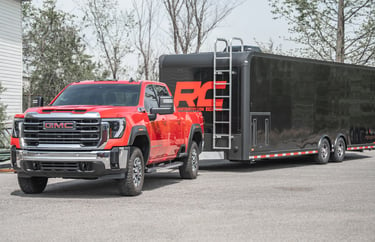
Get the Latest from Rough Country
Sign up for our newsletter to receive product updates, exclusive deals, and off-road tips straight to your inbox.
Warning Signs of an Overloaded Truck
A scale provides the best answer, but an overloaded or poorly loaded truck often shows warning signs:
Rear-end sag: The rear sits noticeably lower after loading.
Light steering: Too much weight behind the rear axle reduces weight on the front tires and affects steering response.
Longer stopping distances: Added mass requires the brakes to manage more energy during each stop.
Poor handling: The truck feels unstable during turns, lane changes, or emergency maneuvers.
Excess tire heat or bulging: Overloaded or underinflated tires flex more and build heat.
Sluggish performance: The engine and transmission work harder to accelerate and maintain speed.
These symptoms also result from incorrect weight distribution, improper tire pressure, or worn components. Reduce the load and inspect the setup before continuing.
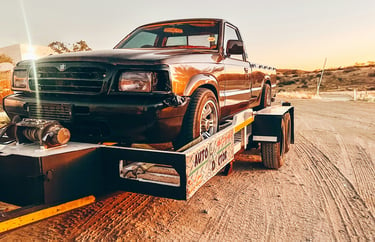
The Hidden Cost of Overloading
Repeated overloading places added stress on systems throughout the truck.
Brakes: Added weight increases the work required to slow the vehicle, which contributes to faster pad and rotor wear.
Tires: Carrying more than a tire’s rated capacity increases heat and the risk of tire damage. Check tire load ratings and inflation before hauling. Bridgestone recommends checking pressure before trips and when carrying extra weight.
Suspension: Springs, shocks, bushings, and other suspension parts experience greater stress. Repeated heavy loads contribute to reduced ride control and premature wear.
Axles and wheel bearings: These parts support the truck’s load and wear faster when subjected to weight beyond their intended limits.
Transmission and drivetrain: Heavy loads require more effort during acceleration, climbing, and low-speed operation. Excess heat and repeated strain shorten component life.
Fuel use: Added weight requires more energy during acceleration and on grades, which often reduces fuel economy.
Overloading also affects several systems at once. NHTSA explains that manufacturers assign GVWR and GAWR based on how braking, tires, suspension, steering, and drivetrain components respond to the vehicle’s weight and intended use.
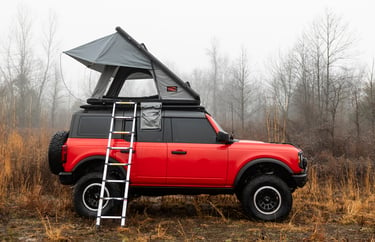
Do Suspension Upgrades Increase Payload?
Helper springs, air springs, upgraded shocks, and heavier-duty leaf springs help reduce sag or improve control while carrying a load. They do not change the GVWR or GAWR assigned by the vehicle manufacturer.
Those ratings account for the full vehicle, including its frame, brakes, axles, tires, steering, and drivetrain. Changing one part does not increase the limits of every other part.
Use suspension upgrades to improve how the truck manages loads within its ratings, not as permission to exceed them.
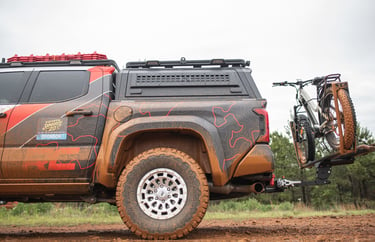
How to Load Your Truck Safely
Start with the payload figure on the tire-loading label. Subtract the weight of passengers, accessories, cargo, and trailer tongue weight.
Place heavy cargo low, secure it against movement, and distribute weight evenly from side to side. Avoid placing unnecessary weight behind the rear axle because it affects steering and rear-axle load.
Check tire pressure when the tires are cold and follow the pressure listed on the vehicle label or in the owner’s manual. Do not exceed the load rating of the tires, wheels, hitch, or other towing equipment.
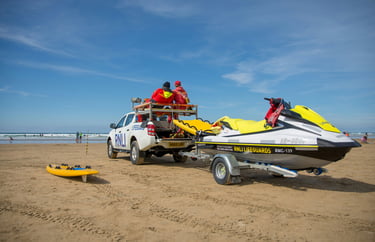
For the most accurate measurement, weigh the loaded truck at a public vehicle scale. Include all passengers, cargo, accessories, and normal travel gear. When towing, weigh the complete truck-and-trailer setup and confirm:
- Total truck weight stays below GVWR
- Each axle stays below its GAWR
- Combined weight stays below GCWR
- Trailer and hitch weights stay within their ratings
Know What Your Truck Is Carrying
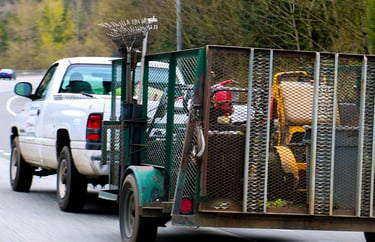
Available space does not equal available payload. A truck bed might have room for more cargo after the truck reaches its weight limit.
Check the ratings for your specific truck, count everything added to the vehicle, and weigh the loaded setup when needed. Staying within the manufacturer’s limits helps protect your handling, braking performance, tires, and long-term reliability.
FAQs
Where do I find my truck’s payload rating?
Check the tire and loading information label near the driver-side door or door jamb. Look for the statement listing the maximum combined weight of occupants and cargo. Use the rating on your truck instead of a general figure advertised for the model.
Does trailer tongue weight count toward payload?
Yes. Tongue weight transfers part of the loaded trailer’s weight to the truck, so it reduces the payload available for passengers, accessories, and cargo. Follow the vehicle and trailer manufacturers’ recommended tongue-weight range.
Do air springs or helper springs increase payload capacity?
No. Air springs, helper springs, upgraded shocks, and heavier-duty leaf springs help control sag and improve load handling. They do not change the truck’s manufacturer-assigned GVWR, GAWR, or payload rating.
How do I know whether my truck is overloaded?
The most reliable method is to weigh the fully loaded truck at a public vehicle scale. Include passengers, fuel, accessories, cargo, and trailer tongue weight. Compare the results with the truck’s GVWR, front and rear GAWR, and GCWR when towing.
![Heavy-Duty Rear LED Bumper for 07-18 Chevy 1500 [10773]](https://media.prod.roughcountry.com/cdn-cgi/image/width=155,format=webp,fit=cover/media/catalog/product/i/m/img_4376.jpg)