Free shipping sitewide!* View Details
Free shipping sitewide!* View Details

Steel vs. Aluminum Truck Bumpers: Which One Is Right for Your Build?
July 29, 2026
0
Jeep bumpers
aluminum bumper
truck bumpers
Ford Bumpers
GM bumper
Ranger bumper
Tundra Bumper
What Is the Difference Between Steel and Aluminum Bumpers?
Steel bumpers often use formed plate steel, steel tubing, welded brackets, and reinforced mounting points. Aluminum bumpers use lighter alloy material with thicker sections and added reinforcement.
Aluminum weighs less than steel by volume, so an aluminum bumper often weighs less than a steel bumper with a similar size and design. Final bumper weight also depends on the vehicle application, bumper shape, winch plate, recovery points, grille protection, lights, mounting brackets, and hardware.
Weight matters, but it should not be the only deciding factor. Strength, mounting design, recovery capability, durability, fitment, and price often matter more for an off-road build.
Get the Latest from Rough Country
Sign up for our newsletter to receive product updates, exclusive deals, and off-road tips straight to your inbox.
Why Steel Bumpers Work Well for Off-Roading
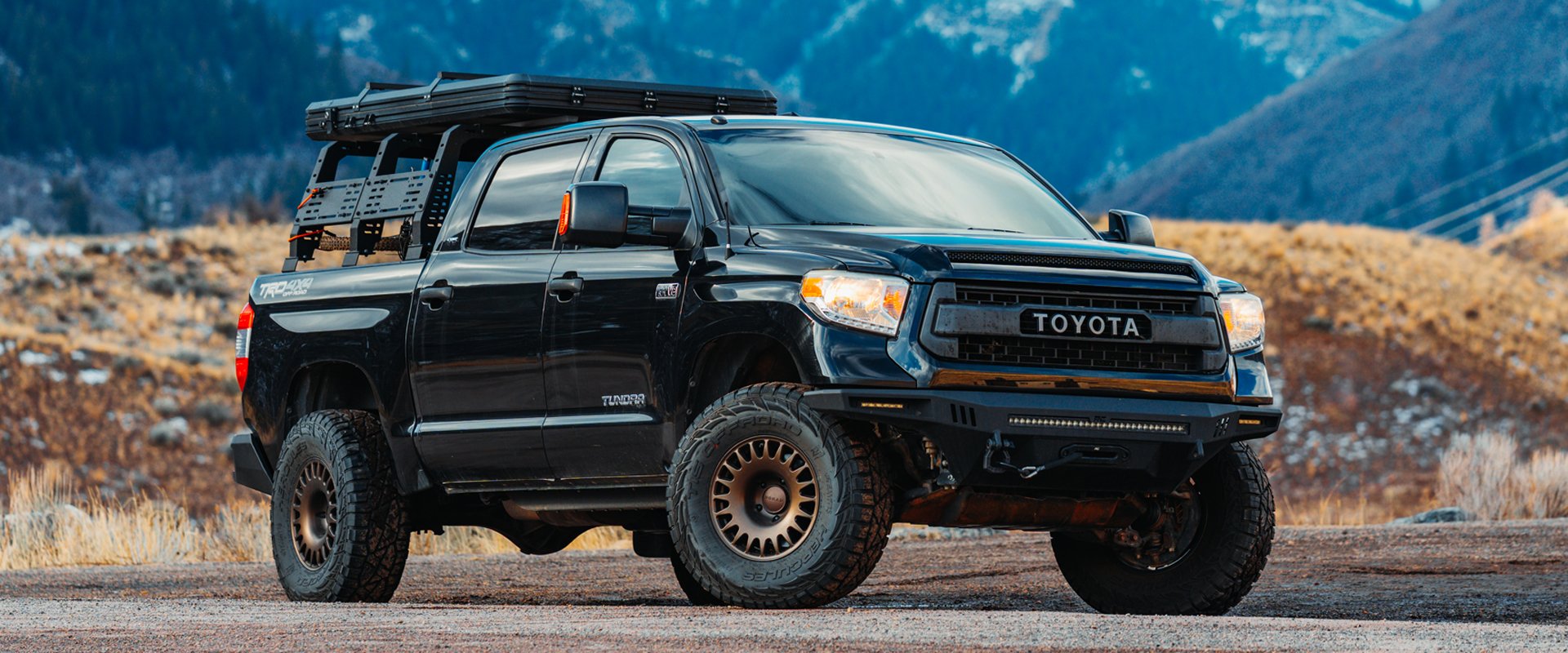
Steel bumpers are popular with off-road drivers because they provide rigid construction and strong support for recovery equipment. They are well suited for rocky trails, brush-heavy terrain, wooded areas, worksites, and other places where the front of the vehicle faces a greater chance of contact.
Steel is also a practical choice for drivers installing a winch or using reinforced recovery points. Many steel bumpers are designed around these features, giving off-roaders a solid mounting system for recovery equipment.
Repair access is another advantage. More fabrication and welding shops work with steel, so owners often have more local options after trail damage. Dents, bends, and damaged sections might also be easier to assess and repair than similar damage on aluminum.
Severe damage near the mounting brackets, welds, or recovery points still requires a close inspection. Replacement might be necessary when the structure or mounting system has been compromised.
Is Steel Stronger Than Aluminum?
Steel generally provides greater rigidity than aluminum of the same thickness. This makes steel a practical material for bumpers built for trail protection, winch use, and demanding work conditions.
Aluminum bumper manufacturers often use thicker material, formed sections, gussets, and internal reinforcement to improve strength. These design features help compensate for the material difference, but they often raise the final price.
The strength of any bumper depends on more than its material. Plate thickness, weld quality, bracing, mounting brackets, recovery-point construction, frame connections, and overall shape all affect performance.
A quality steel bumper with reinforced mounting points offers a strong combination of durability, recovery support, and value for off-road use.
What Are the Trade-Offs of a Steel Bumper?
The main trade-off is added weight.
A steel bumper, winch, lights, fairlead, and recovery hardware place permanent weight on the front of the truck. This load uses part of the vehicle’s payload capacity and places more demand on the front suspension.
Added weight might affect front ride height, suspension response, steering feel, alignment, tire wear, and fuel use. The effect depends on the truck, bumper weight, suspension condition, and other installed accessories.
Check the full installed weight before ordering. Include the bumper, winch, lights, brackets, recovery hardware, and mounting equipment. Drivers with larger tires, aftermarket wheels, skid plates, or other heavy accessories should also check their remaining payload and front axle rating.
For many off-road drivers, the strength, recovery capability, repair access, and lower price provide more value than the weight savings offered by aluminum.
Does Bumper Weight Affect Payload?
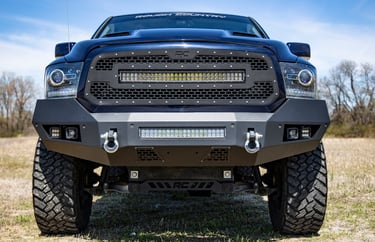
Yes. The bumper and all attached accessories count toward the truck’s payload.
Payload includes passengers, cargo, tools, bed accessories, the bumper, winch, lights, recovery gear, and trailer tongue weight. Review the payload label inside the driver-side door area and account for every permanent accessory added to the truck.
Check the front gross axle weight rating as well. A truck might remain below its total payload rating while carrying too much weight over the front axle.
Will You Need Suspension Changes With a Steel Bumper?
Not every truck needs suspension changes after installing a steel bumper.
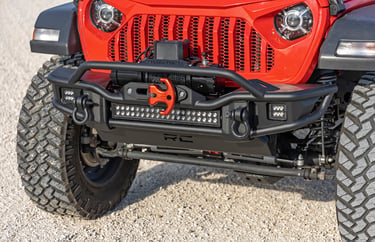
A bumper combined with a winch, lights, and recovery hardware might lower the front ride height or change suspension response. The effect depends on the vehicle, current suspension condition, bumper weight, and existing modifications.
Measure the front ride height before and after installation. Check the front axle rating and remaining payload, then have the alignment inspected after adding substantial front-end weight.
Trucks with worn springs or several heavy accessories might need suspension support. Review the bumper specifications and installation instructions before ordering.
Does the Bumper Need to Work With a Winch?
Winch compatibility is one of the main reasons off-road drivers choose an aftermarket steel bumper.
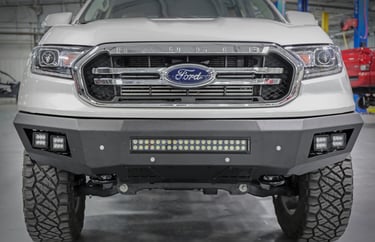
Some bumpers include an integrated winch plate, while others require a separate mounting system. Before ordering, confirm the winch capacity, dimensions, bolt pattern, fairlead opening, clutch-handle access, control-box clearance, wiring access, and radiator clearance.
The bumper or winch plate must support the selected winch. Match the winch capacity to the loaded operating weight of the vehicle rather than its empty curb weight.
Review the bumper and winch installation instructions before ordering. Confirm which brackets, fairleads, wiring components, and mounting hardware come with each product.
Rough Country offers vehicle-specific steel bumpers and winch-mount solutions for select trucks, Jeeps, Broncos, and Toyota applications. Winch compatibility and included features vary by product.
What Should You Check for LED Light Compatibility?
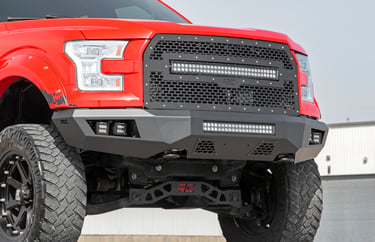
Many off-road bumpers include LED lights or provide openings for optional lighting.
Before purchasing lights separately, compare the opening dimensions, mounting style, light depth, bracket position, wiring access, switch requirements, and relay needs. Similar-looking pods and light bars do not always share the same measurements or mounting points.
Many Rough Country bumpers include LED lighting or list compatible Rough Country lights on the product page. Check the product contents before adding separate lights to your order.
Steel vs. Aluminum Bumper Cost
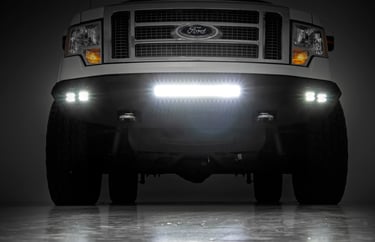
Steel bumpers often cost less than comparable aluminum bumpers. This gives steel a strong value advantage for drivers seeking off-road protection, recovery features, and durable construction.
Your final cost might also include shipping, installation, a winch, lights, wiring, sensor relocation, camera relocation, calibration, alignment, or suspension adjustments.
Compare the complete installed cost instead of looking only at the bumper price. A lower bumper weight does not always justify a higher price, especially when steel better matches the truck’s intended use.
Which Bumper Material Should You Choose?
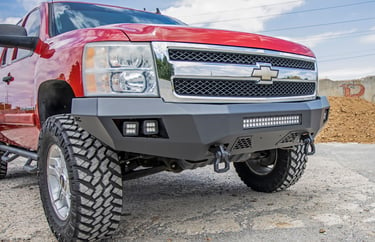
Choose steel when off-road strength, recovery capability, rigid construction, repair access, and value are your main priorities. Steel is often the better option for trail vehicles, work trucks, winch-equipped builds, and drivers who travel through rocks, brush, or wooded terrain.
Consider aluminum when reducing weight and preserving payload matter more than price, repair access, or demanding recovery use. It often works best for travel-focused builds carrying passengers, camping gear, fuel, and water.
For most off-roaders, work trucks, and recovery-focused builds, steel provides the stronger overall combination of durability, function, price, and serviceability.
The best bumper still needs to fit your exact vehicle and support your planned equipment. Compare the mounting system, recovery features, winch fitment, sensor compatibility, lighting options, weight, and installation requirements before ordering.
Find a Steel Bumper for Your Build
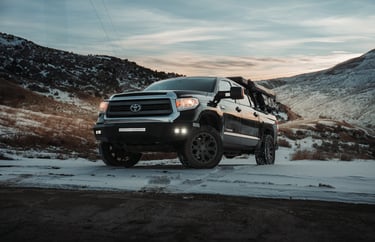
Rough Country offers vehicle-specific steel front and rear bumpers for select trucks, Jeeps, Broncos, and Toyota applications.
Depending on the product, available features include integrated winch mounts, recovery points, LED lighting, high-clearance designs, grille protection, skid plates, sensor provisions, and factory tow-hook compatibility.
Enter your year, make, model, and trim before ordering. Review the product specifications and fitment notes to confirm compatibility with your winch, sensors, cameras, lights, and factory equipment.
FAQs
Is a steel bumper better for off-roading?
Steel is often the better choice for off-road use because it offers rigid construction, dependable recovery support, broad repair access, and a lower price than many aluminum designs. It works well for rocky trails, wooded terrain, work use, and winch-equipped builds.
Does an aftermarket bumper affect payload?
Yes. The bumper, winch, lights, brackets, and recovery equipment all count toward payload. Review the payload label and front axle rating before adding heavy accessories.
Is a steel bumper worth the extra weight?
For many off-road and work builds, yes. Steel offers strong construction, recovery capability, repair access, and value. Account for the full installed weight and remaining payload before ordering.
Are Rough Country bumpers steel or aluminum?
Rough Country’s aftermarket bumpers use steel construction. Designs and available features vary by vehicle application and product.