Free shipping sitewide!* View Details
Free shipping sitewide!* View Details

When Should You Replace Your Shocks? Signs Your Shocks Are Worn Out
August 18, 2026
0
Vertex
Shocks
V2 shocks
Vertex shocks
M1R Shocks
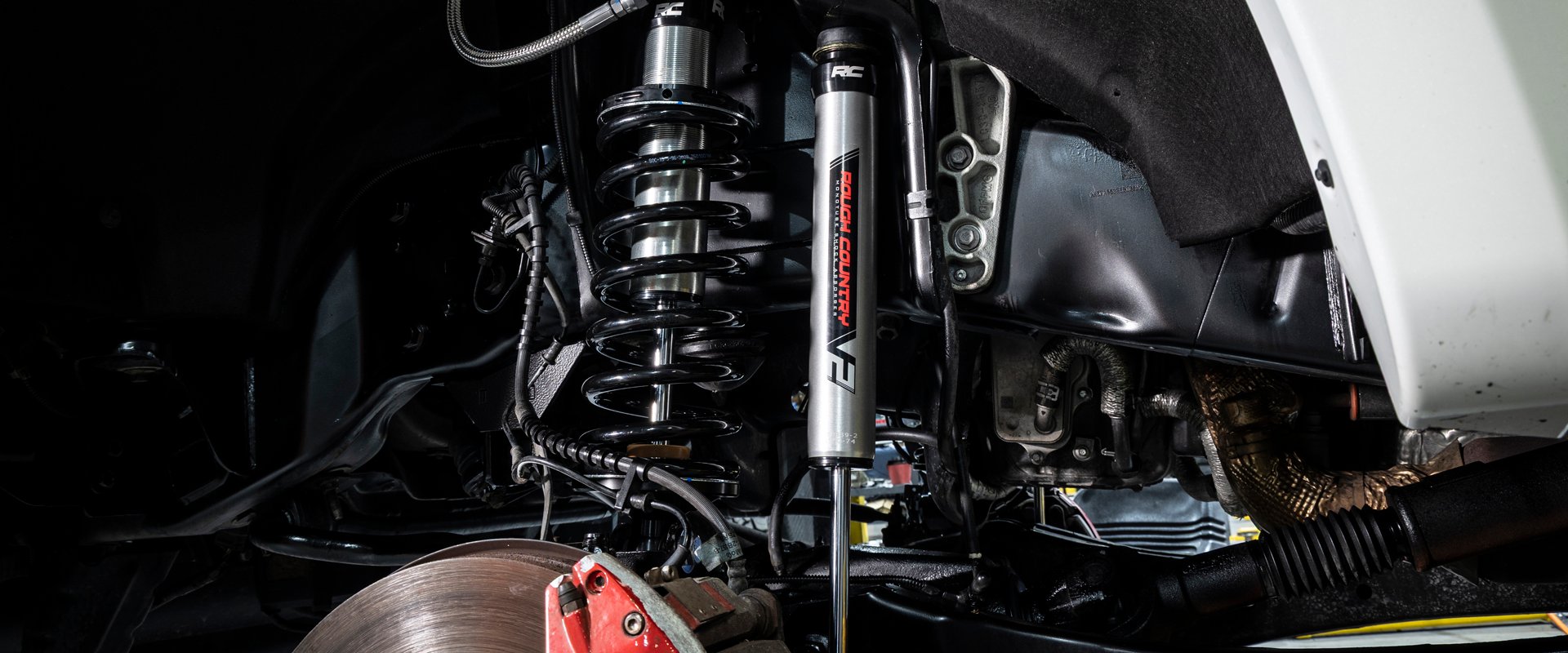
What Do Shocks Do?
Your shocks help control the up-and-down movement of your suspension.
When you hit a bump, your springs compress and rebound. The shocks help control that movement so your truck or Jeep settles instead of continuing to bounce.
They also help keep your tires in contact with the road or trail and help your vehicle feel more controlled while braking, turning, or driving over uneven terrain.
Get the Latest from Rough Country
Sign up for our newsletter to receive product updates, exclusive deals, and off-road tips straight to your inbox.
How Long Do Truck and Jeep Shocks Last?
There is no set replacement schedule for every shock.
A daily-driven truck that spends most of its time on smooth pavement will put different demands on its shocks than a Jeep that regularly sees rough trails.
Shock wear depends on factors such as:
- Rough roads and potholes
- Frequent off-road use
- Towing and hauling
- Larger or heavier tires
- Lifted suspension
- Added vehicle weight
- Mud, water, road salt, and debris
- Driving habits
Mileage gives you a reason to inspect your shocks more closely as they age, but it should not be the only reason you replace them.
Changes in ride quality, handling, visible leaks, and physical damage tell you more about their condition.
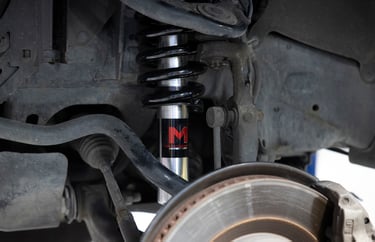
Signs Your Shocks Are Worn Out
One symptom does not always mean your shocks need replacing. Look for changes in how your vehicle normally rides and handles, especially when several symptoms appear together.
· Your Vehicle Keeps Bouncing After Bumps
Your truck or Jeep should settle fairly quickly after hitting a bump.
If it continues bouncing or feels like the suspension keeps moving longer than usual, the shocks might not be controlling that movement as well as they once did.
· The Front-End Dives When Braking
Some front-end movement during braking is normal.
If the nose of your vehicle starts dipping noticeably more than before, your front shocks might be worn.
· You Notice More Body Roll in Turns
Trucks and Jeeps naturally have some body movement through turns.
A noticeable increase in leaning or sway can point to worn shocks or another suspension issue.
· The Rear Squats More Than Normal
If the rear of your vehicle feels less controlled when accelerating, towing, or carrying a load, check the rear shocks along with the rest of the suspension.
· The Ride Feels Rough or Floaty
Worn shocks do not always create the same type of ride.
Your vehicle might start feeling rougher over bumps, or it might feel loose and floaty on the highway.
The biggest clue is a noticeable change from how your truck or Jeep normally drives.
· Your Tires Are Wearing Unevenly
Worn shocks sometimes contribute to uneven tire wear because the suspension is not controlling tire movement as well.
Alignment, tire pressure, and other suspension components also cause uneven wear, so inspect the full suspension before blaming the shocks.
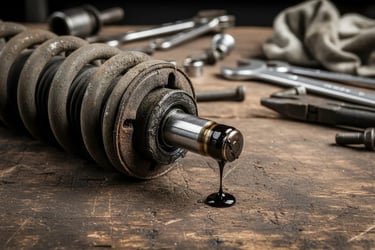
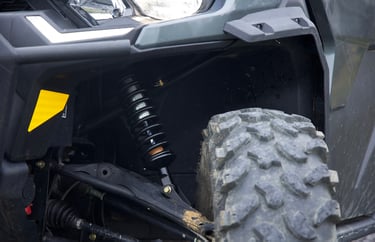
· You See Fluid on the Shock
Look at the shock body for signs of leaking fluid.
A small amount of staining does not always mean the shock has failed, but heavy wetness or fluid running down the shock deserves a closer look.
· You See Physical Damage
Check for dents, bends, damaged mounts, worn bushings, or heavy corrosion.
This is especially important if you spend time off-road where rocks, ruts, mud, and debris put more stress on suspension components.
· You Hear Clunking or Knocking
New noises from the suspension area deserve attention, but shocks are not always the cause.
Loose hardware, worn bushings, ball joints, sway bar components, or other suspension parts can create similar sounds.
How to Check Your Shocks at Home
A basic visual inspection gives you a good starting point.
Park your truck or Jeep on level ground and inspect each shock.
Look for:
- Fluid leaks
- Dents or other damage
- Loose or missing hardware
- Worn bushings
- Damaged mounting points
- Heavy rust or corrosion
Check your tires for unusual wear while you are there.
Then think about how the vehicle has been driving lately. Does it bounce more? Feel less stable? Lean more through turns? Ride rougher over roads you drive every day?
Those changes often give you the best indication that something in the suspension needs attention.
You might have heard of the bounce test, where you push down on a corner of the vehicle and see how quickly it settles. This might help identify a severely worn shock, but it should not be your only test. A visual inspection and changes in ride quality give you a better overall picture.
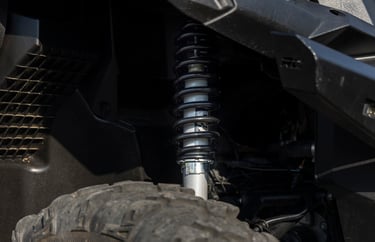
Do Lifted Trucks and Jeeps Wear Shocks Faster?
Not automatically.
A lifted vehicle needs shocks that work with the suspension setup and lift height.
Shock length, suspension travel, tire size, vehicle weight, driving conditions, and off-road use all affect how hard the shocks work.
A Jeep that regularly tackles rocky trails puts different demands on its shocks than a lifted truck driven mostly on pavement.
When replacing shocks on a lifted vehicle, choose shocks designed for your specific vehicle and lift height. The correct fit helps the suspension move through its intended range without limiting travel.
Should You Replace Shocks in Pairs?
Replacing shocks in pairs on the same axle is usually the best approach.
If one front shock is worn, the other front shock has often experienced similar mileage and driving conditions. Replacing both helps keep suspension performance more consistent from side to side.
Replacing all four might make sense when the shocks are the same age and show similar wear.
If one newer shock is damaged by an off-road impact, replacing all four is not always necessary.
What Happens If You Keep Driving on Worn Shocks?
Worn shocks affect more than comfort.
As they lose their ability to control suspension movement, you might notice:
- More bouncing
- Increased body movement
- Less stable handling
- Rougher ride quality
- Uneven tire wear
- Less control on rough roads
These changes often become more noticeable when towing, hauling, driving at highway speeds, or traveling off-road.
If your vehicle starts riding or handling noticeably differently, inspect the shocks and surrounding suspension components.
How to Choose Replacement Shocks
Start with your exact vehicle and suspension setup.
Consider:
- Year, make, and model
- Stock, leveled, or lifted suspension
- Lift height
- Tire size
- Daily driving or off-road use
- Towing and hauling
- Preferred ride feel
- Budget
A daily driver does not always need the same shock setup as a trail-focused Jeep or a truck that regularly carries extra weight.
Rough Country offers shock options for stock, leveled, and lifted trucks and Jeeps, so you can choose a setup based on your vehicle, suspension height, and how you use it.
When Is It Time to Replace Your Shocks?
Do not rely on mileage alone.
Pay attention to how your truck or Jeep rides, handles, and responds to bumps, braking, and turns. Check for leaks, physical damage, worn mounting points, and unusual tire wear.
If your vehicle feels noticeably different and your inspection points toward worn shocks, replacement might be the next step.
The goal is simple: keep your suspension working the way it should for the way you drive.
FAQs
How often should truck shocks be replaced?
There is no set replacement interval for every truck. Driving conditions, mileage, towing, hauling, off-road use, and suspension setup all affect shock life. Inspect your shocks periodically and pay attention to changes in ride quality and handling.
Is it safe to drive with worn shocks?
It depends on how worn or damaged they are. Worn shocks can affect vehicle control, ride quality, and tire contact with the road. If you notice severe bouncing, instability, leaking fluid, or physical damage, have the suspension inspected.
Should I replace all four shocks at the same time?
Not always. Replacing shocks in axle pairs helps keep performance consistent from side to side. Replacing all four makes sense when they are the same age and show similar wear.
Do lifted trucks need special shocks?
Lifted trucks and Jeeps need shocks matched to their suspension setup and lift height. Some setups use different shock lengths or travel ranges, so always confirm fitment for your exact vehicle and lift before ordering.