Free shipping sitewide!* View Details
Free shipping sitewide!* View Details

How Much Weight Can a Roof Rack Hold? Static vs. Dynamic Load Ratings Explained
October 29, 2026
0
rooftop tent
roof rack
roof rack vs bed rack
off-road roof rack
How Much Weight Does a Roof Rack Hold?
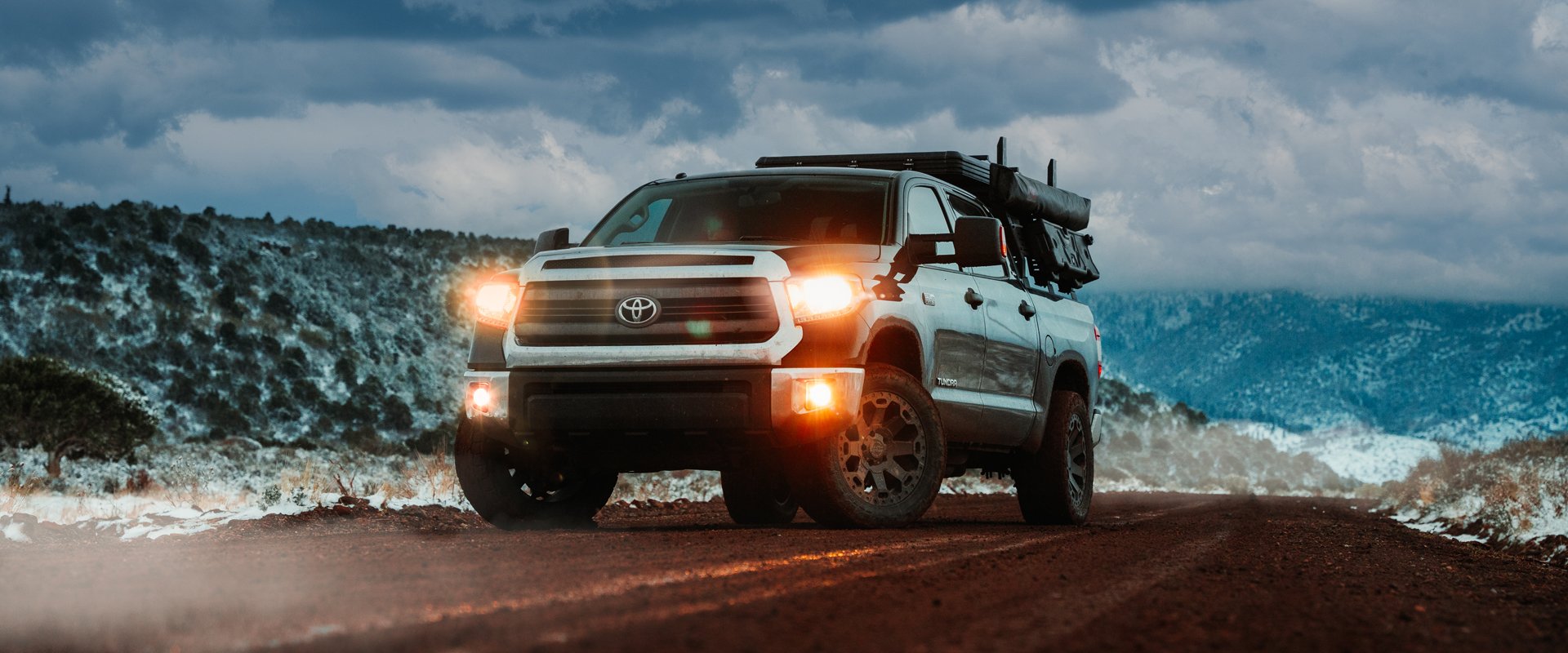
Roof rack weight capacity depends on the rack's design, materials, mounting system, and vehicle. For example, several Rough Country aluminum roof racks have a 600-pound static rating and a 300-pound dynamic rating. Rough Country's steel Jeep Wrangler JL roof rack has a 450-pound static rating and a 225-pound dynamic rating.
So, which number matters? Both, depending on what you're doing.
- Dynamic load rating is how much weight your rack is designed to support while your vehicle is moving.
- Static load rating is how much weight your rack is designed to support while your vehicle is parked.
Static ratings are usually higher because the rack isn't dealing with the additional forces of driving.
One rule to remember: Always follow the lowest applicable weight limit for your rack, vehicle, mounting system, and accessories.
What Is a Dynamic Load Rating?
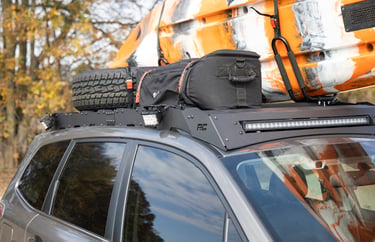
Dynamic load is the weight your roof rack is rated to carry while you're driving.
Think about what happens when you hit a pothole, take a sharp turn, or bounce along a rocky trail. Your gear isn't sitting perfectly still. Every bump, stop, and turn puts additional stress on the rack and its mounting points.
A 200-pound load sitting in your driveway behaves differently from the same load bouncing down a washboard road.
That's why dynamic weight ratings are lower than static ratings. If your rack has a 300-pound dynamic capacity, you need to stay within the applicable driving limits, regardless of how much the rack supports when parked.
What Is a Static Load Rating?
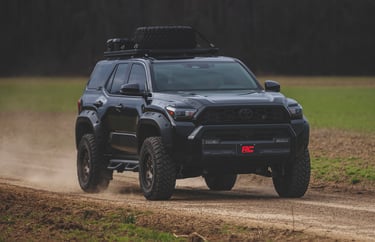
Static load refers to the weight your rack is rated to support when the vehicle is parked.
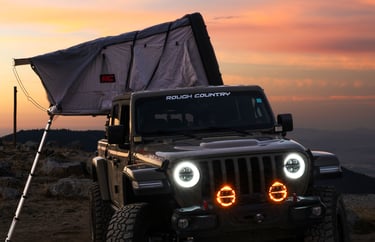
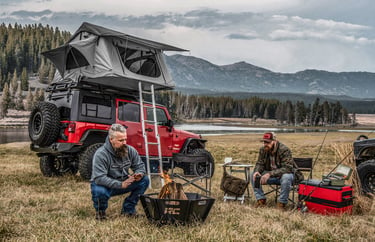
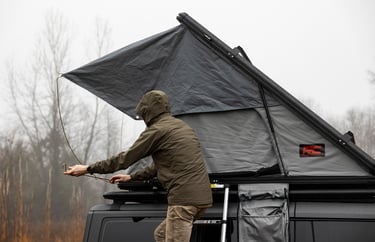
This becomes especially important if you're using a rooftop tent. While driving, your rack supports the tent and anything attached to the setup. Once you park and climb inside, you're adding the weight of everyone sleeping in the tent, along with their bedding and gear.
For example, let's say your camping setup includes:
- Rooftop tent: 150 pounds
- First person: 180 pounds
- Second person: 160 pounds
- Bedding and gear: 20 pounds
That's 510 pounds of static weight.
A rack with a 600-pound static rating would have enough rated rack capacity for this example, assuming any additional hardware, vehicle limits, and tent requirements also allow the load.
But here's the important part: A 600-pound static rating does not mean you should drive with 600 pounds on your roof.
How Do Roof Rack Weight Ratings Apply to Rooftop Tents?
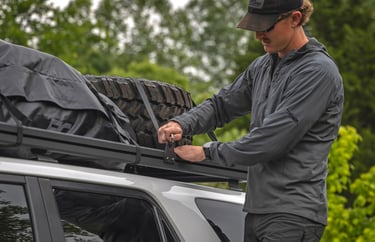
Rooftop tents are one of the biggest reasons these ratings matter. You need to account for the weight of your setup while driving and the additional weight once you're camping.
While Driving
Use the dynamic rating. Add up your rooftop tent, mounting brackets, awning, recovery boards, and any other accessories attached to your rack.
For example, say you're carrying a 160-pound rooftop tent, a 35-pound awning, 20 pounds of recovery boards, and 15 pounds of mounting hardware.
That's 230 pounds total.
If your rack has a 300-pound dynamic rating, you're below the rack's published limit. You'll still need to check your vehicle's roof capacity and the limits of your mounting system.
While Camping
Once you're parked, the static rating applies.
Now you need to include the weight of your tent, occupants, bedding, mounting hardware, and any other gear supported by the rack.
And yes, people count toward the static load rating. They don't count toward the dynamic rack load while driving because nobody should be inside a rooftop tent when the vehicle is moving.
Before purchasing a tent, also check its weight capacity and mounting requirements. A rack having enough capacity doesn't automatically mean the tent is compatible.
Does Your Vehicle's Roof Weight Limit Matter?
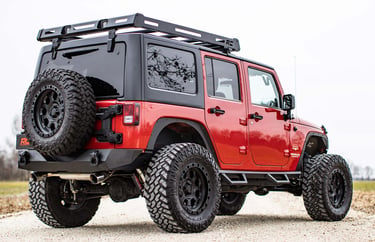
Absolutely. Your roof rack and your vehicle have separate weight limits, and the lower applicable rating determines how much you're allowed to carry.
For example, your roof rack might have a 300-pound dynamic capacity, but your vehicle might only allow 165 pounds on the roof. In that case, the vehicle's lower limit takes priority.
You'll also need to account for the rack's own weight when the vehicle manufacturer includes roof-mounted equipment in its maximum roof-load rating.
Check your owner's manual before loading anything heavy. You'll want to know the vehicle's roof capacity, mounting restrictions, and any special requirements for aftermarket racks.
Roof Rack vs. Bed Rack: Which Holds More Weight?
If you're driving a truck, a bed rack is another option worth considering.
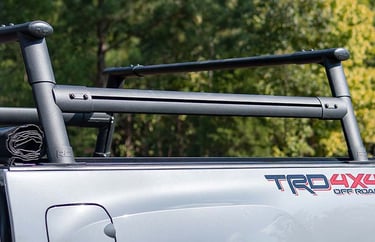
Bed racks often have higher weight capacities because they mount around the truck bed instead of the roof. They also give you a place to carry larger equipment without adding as much weight up high.
For comparison, Rough Country's Toyota Land Cruiser Roof Rack has a 600-pound static rating and a 300-pound dynamic rating. Rough Country's F-150 Aluminum Bed Rack offers a 750-pound static rating and a 400-pound dynamic rating.
Those numbers are specific to these products. Weight limits vary depending on the rack, mounting system, and vehicle.
If you're deciding between the two, check out our Roof Rack vs. Bed Rack: Which Is Better for Your Truck? guide for a closer look at the differences.
Does Off-Road Driving Affect Roof Rack Weight Capacity?
If you spend much time off-road, you already know your gear takes a beating.
Washboard roads create constant vibration. Rocks, ruts, and sudden dips put extra stress on your rack and mounting hardware. Steep climbs and side slopes also change how the weight affects your vehicle.
Even if your load falls below the published dynamic rating, how you pack and secure everything still matters.
Keep heavier gear low whenever possible, spread weight across the rack's recommended mounting points, and make sure everything is properly secured.
Also, keep in mind that adding weight to your roof raises your vehicle's center of gravity. You might notice more body roll around corners, changes in braking feel, or different handling on uneven trails.
Follow any off-road restrictions listed by your rack and vehicle manufacturers.
How Should You Load a Roof Rack?
Knowing your rack's weight limit is one thing. Loading it correctly is another.
A few simple habits help protect your gear and your vehicle:
- Spread out the weight. Avoid concentrating heavy items in one small area of the rack.
- Keep heavier items low. Store heavy equipment in the truck bed or inside the vehicle when possible.
- Use proper mounting hardware. Secure cargo with equipment designed for the rack and the items you're carrying.
- Check your crossbars. Make sure they're positioned correctly for your cargo.
- Inspect your hardware. Check mounting brackets, bolts, and tie-down points regularly, especially after rough trips.
Your rack's installation instructions should also tell you when to inspect and re-torque hardware. Follow the intervals and torque specifications provided for your particular rack.
And don't forget to count everything you're carrying. A cargo box, mounting brackets, recovery boards, and other accessories all add weight. Smaller items add up faster than you think.
What Should You Check Before Loading Your Roof Rack?
Before heading out, make sure you've covered the basics:
- Check your rack's static and dynamic weight ratings.
- Confirm your vehicle's roof-load limit.
- Include the weight of cargo, accessories, and mounting hardware.
- Account for the rack's own weight where required by the vehicle manufacturer.
- Check rooftop tent weight and occupant capacity.
- Verify crossbar spacing and mounting compatibility.
- Follow the manufacturer's installation and maintenance instructions.
A few minutes spent checking your setup before a trip is much better than dealing with loose gear or an overloaded rack miles from home.

FAQs
What is the difference between static and dynamic roof rack weight capacity?
Static weight capacity applies when your vehicle is parked. Dynamic capacity applies while driving. Static ratings are generally higher because the rack isn't exposed to the additional forces created by acceleration, braking, turning, and rough roads.
Can you put a rooftop tent on a roof rack?
Yes, provided the rack, rooftop tent, mounting hardware, and vehicle are rated and approved for the setup. Check both static and dynamic weight limits, along with crossbar spacing and product compatibility.
Do people count toward rooftop tent weight capacity?
Yes. When parked, occupants count toward the static load supported by the rack and must also fall within the tent's occupant weight limit. When driving, use the dynamic rating and include the tent, hardware, accessories, and other cargo on the rack.
Does the weight of the roof rack count toward the load limit?
The rack's advertised cargo capacity and the vehicle's roof-load limit are different specifications. Vehicle manufacturers often include the weight of the rack itself in their roof-load calculations. Check your owner's manual and rack instructions to determine your available cargo capacity.