Free shipping sitewide!* View Details
Free shipping sitewide!* View Details

How to Protect Your Truck's Undercarriage from Rust and Road Salt
October 22, 2026
0
undercarriage armor
undercarriage protection
side steps
wheel well liners
Winter Truck care
Skid Plates
Why Does Your Truck's Undercarriage Rust?
Rust forms when iron or steel reacts with oxygen and moisture. Road salt makes things worse by speeding up the corrosion process, especially when salty water sits against exposed metal.
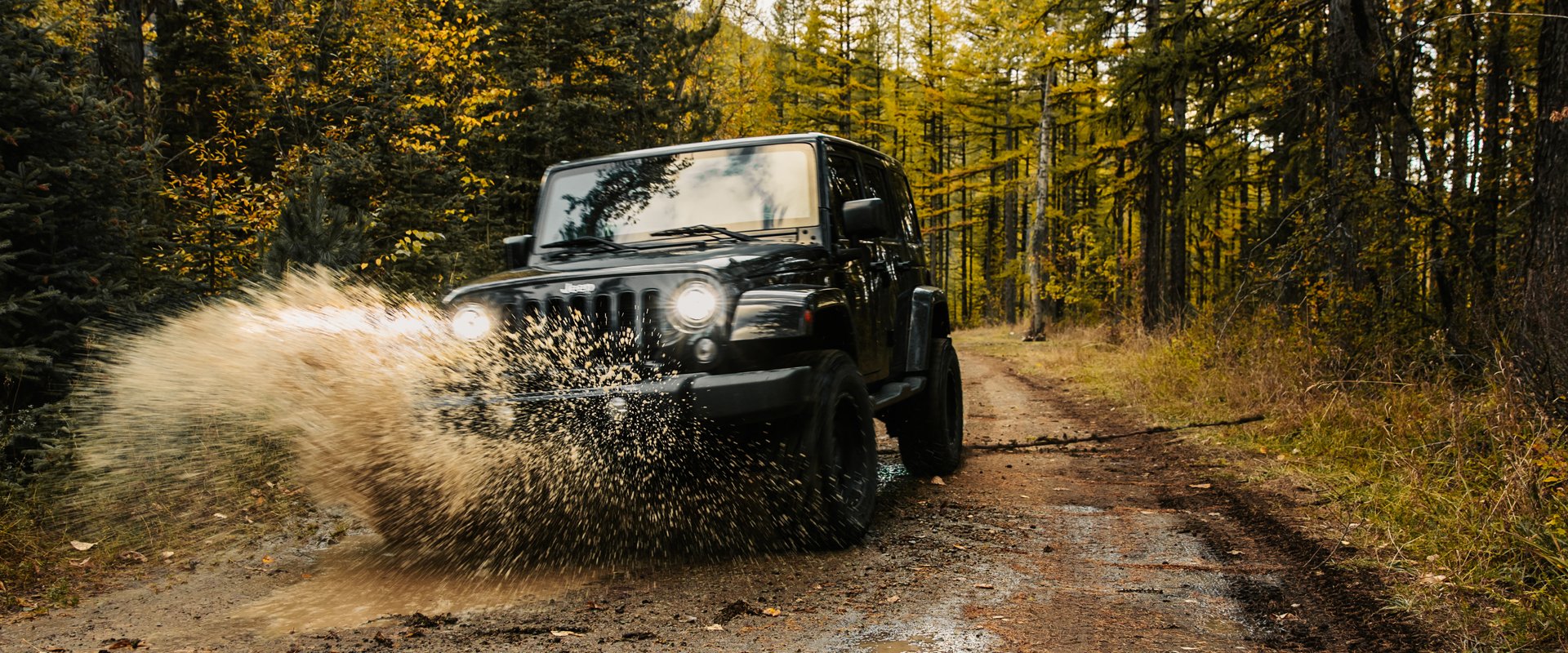
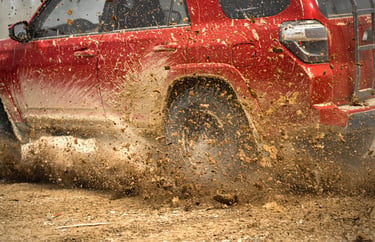
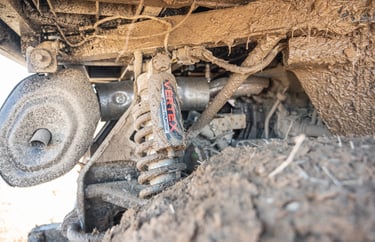
Mud creates problems, too. Thick buildup holds moisture against your frame and suspension, sometimes long after the rest of your truck dries.
Your undercarriage faces different conditions depending on the season:
- Fall: Rain, mud, and wet leaves collect around suspension components, wheel wells, and frame openings.
- Winter: Road salt, liquid deicers, and slush leave corrosive residue behind.
- Spring: Lingering salt and damp conditions keep corrosion concerns around even after winter ends.
Trucks driven in areas where roads receive frequent salt treatments face greater exposure. Off-road trucks have another concern: rocks and trail debris scrape away paint and protective finishes, leaving bare metal exposed.
Which Parts of Your Undercarriage Are Most Vulnerable?
Some areas take more abuse than others. When checking underneath your truck, pay attention to these spots:
- Frame rails and crossmembers: Mud and salt collect around openings, seams, and mounting points.
- Brake and fuel lines: Corrosion on metal lines can eventually lead to leaks or failure.
- Suspension components: Control arms, brackets, and axle housings face constant exposure to road spray and debris.
- Wheel wells: Tires throw water, mud, gravel, and salt into hard-to-clean areas.
- Skid plates: Rocks and debris scratch protective finishes, exposing metal underneath.
- Exhaust components: Moisture, heat, and road salt contribute to corrosion over time.
A little surface rust on exposed steel isn't unusual. Deep pitting, flaking metal, or corrosion around structural components is a different story and deserves professional attention.
Get the Latest from Rough Country
Sign up for our newsletter to receive product updates, exclusive deals, and off-road tips straight to your inbox.
How Do You Keep Your Truck's Undercarriage from Rusting?
The most effective approach is simple: keep the underside clean, stay ahead of damaged finishes, and protect exposed metal before corrosion spreads.
1. Wash Away Mud, Salt, and Road Grime
A clean undercarriage is one of your best defenses against rust.
Washing your truck's exterior is easy enough, but the areas underneath often get overlooked. Unfortunately, those are the same places where mud and salt tend to collect.
For a thorough cleaning:
- Start with a rinse to loosen dirt, mud, and salt.
- Use an undercarriage spray attachment or a car wash with an underbody wash.
- Focus on wheel wells, frame rails, axle housings, and suspension components.
- Remove packed mud from accessible corners and mounting points.
- Give everything time to drain and dry.
A pressure washer helps with stubborn buildup. Keep the nozzle away from seals, bearings, electrical connectors, and other sensitive parts.
After a particularly muddy off-road trip, don't leave thick mud packed around your suspension for days. Cleaning before the buildup hardens makes the job easier.
2. Apply Rust Protection to Exposed Metal
Even with regular washing, exposed metal needs protection from moisture.
Rust inhibitors and undercoatings help create a barrier between metal and the conditions responsible for corrosion.
Rust inhibitors typically use oil-, wax-, or similar protective formulations to reduce corrosion on suitable metal surfaces. Some products require periodic reapplication.
Undercoatings form a protective layer on approved underside surfaces. Depending on the product, these coatings help resist moisture, road debris, and salt exposure.
Proper preparation matters. Applying a coating over dirt, loose rust, or trapped moisture creates problems rather than solving them.
Clean and prepare the affected surfaces, follow the coating manufacturer's instructions, and avoid covering brake components, exhaust parts, drain openings, and other areas where application is prohibited.
If your truck already has significant rust, address the corrosion before applying protective treatments.
3. Touch Up Scratches and Damaged Coatings
Rocks, gravel, and trail obstacles are tough on painted and powder-coated metal.
Check your frame, suspension brackets, skid plates, and other exposed steel components for chips or scratches. Damaged finishes leave bare metal vulnerable to moisture and salt.
Clean the area and use an appropriate rust-preventive coating according to the manufacturer's directions.
Pay particular attention to metal exposed during modifications. Drilled holes, cut edges, and scratched mounting surfaces should receive suitable corrosion protection.
4. Inspect Areas Where Debris Gets Trapped
Some of the worst buildup happens in places you won't notice during a normal wash.
Look around:
- Frame openings and crossmembers
- Suspension mounting brackets
- Wheel well edges and behind splash guards
- Body mounts and seams
- Skid plates and mounting hardware
These areas deserve extra attention after muddy trail rides or winter driving.
How Often Should You Wash Your Truck's Undercarriage in Winter?
Washing your truck at least every two weeks during winter is a good starting point. If you regularly drive on heavily salted roads, more frequent undercarriage rinses help remove buildup before salt sits for extended periods.
After driving through salty slush, wash the undercarriage as soon as practical.
You don't need to scrub every inch underneath your truck after every drive. The goal is to prevent heavy deposits from sitting against metal for weeks.
If temperatures drop below freezing, use a suitable car wash or choose a milder day. Pay attention to areas where water might freeze afterward.
And remember, roads don't need to look wet for salt to remain. Dried residue stays on the undercarriage until removed.
Is Undercoating Worth It for Your Truck?
Undercoating is worth considering if your truck regularly encounters road salt, moisture, coastal conditions, or muddy terrain.
The best choice depends on your truck's age, existing factory protection, current condition, and driving habits.
For newer trucks, protecting clean metal before corrosion begins is generally easier than dealing with existing rust.
For older trucks, inspect the frame and other components first. Surface rust sometimes responds to proper cleaning, preparation, and protective treatments. Heavily corroded metal requires professional evaluation.
Undercoating isn't a substitute for washing. Salt and moisture still accumulate in untreated areas, seams, and openings.
Before adding aftermarket protection, review your owner's manual and any applicable factory corrosion warranty.
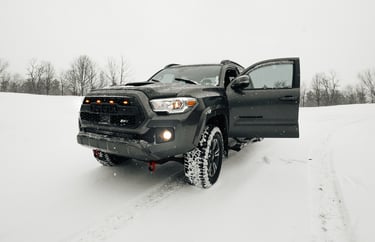
Do Skid Plates, Wheel Well Liners, and Side Steps Help Protect Against Rust?
Protective accessories help reduce certain types of underbody exposure and damage. They're useful additions for many trucks, especially those spending time on rough roads or trails.
The key is understanding what each accessory protects.
Skid Plates: Protection Against Rocks and Trail Damage
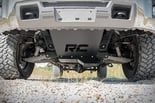
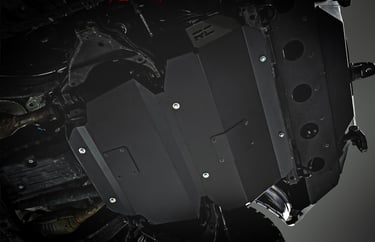
Skid plates primarily protect vulnerable components from rocks, debris, and impacts while driving off-road.
They're especially useful when your truck regularly encounters obstacles capable of damaging the differential or other exposed components.
Rough Country offers vehicle-specific steel skid plates with corrosion-resistant powder-coated finishes.
These finishes help protect the skid plates themselves from corrosion. The plates also help shield covered components from direct impacts, but they don't rustproof the entire undercarriage.
Keep the plates clean, inspect scratched finishes, and remove debris trapped around mounting points.
Fitment and installation requirements vary by vehicle and suspension setup. Always check the product specifications before ordering.
Wheel Well Liners: Less Mud and Salt Reaching Exposed Areas
If you've ever looked inside your truck's rear wheel wells, you've seen how much space sits between the body and frame.
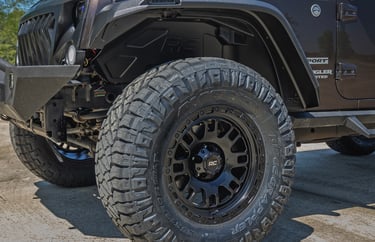
Those open areas collect dirt, gravel, mud, and road spray. The gap often becomes more noticeable after lifting a truck.
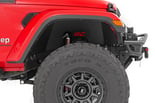
Rough Country's Wheel Well Liners help cover exposed areas and provide an additional barrier against rocks, mud, road salt, and debris.
Made from high-density polyethylene plastic, these liners also give the wheel wells a cleaner, more finished appearance.
They're available for select Ford, Chevy, GMC, Ram, and other truck applications.
Keep in mind, liners reduce direct exposure in covered areas. They don't seal the wheel wells completely, so routine cleaning is still important.
Side Steps and Rocker Panel Protection
Rocker panels sit along the lower sides of your truck, directly in the path of debris kicked up by the tires.
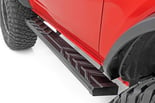
Depending on their design, side steps, rock sliders, and guards help protect portions of these areas from rocks and debris.
Rough Country offers Steps and Running Boards for a variety of trucks and SUVs.
Some designs feature protective coatings and built-in guards, giving you an additional layer of protection against road debris while making entry and exit easier.
Side steps aren't a substitute for corrosion protection, though. Continue cleaning the rocker panels, step mounts, and surrounding areas where road grime collects.
Do Lifted Trucks Need Extra Undercarriage Protection?
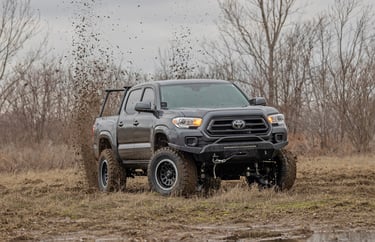
Lifted trucks need the same basic rust prevention as stock trucks, but exposed suspension parts and aftermarket hardware deserve regular attention.
A suspension lift doesn't automatically cause more rust. Your truck's design, how you use it, and the protective finishes on its components all matter.
If your truck spends weekends on muddy trails or rough terrain, check:
- Lift brackets and crossmembers for chipped coatings
- Control arms and suspension mounts for packed mud
- Shock bodies and surrounding brackets for corrosion
- Skid plates for damaged finishes or trapped debris
- Mounting hardware for corrosion or looseness
Follow the manufacturer's inspection and torque requirements for your specific suspension system.
For more seasonal maintenance advice, check out Rough Country's Winter Care for Lifted Vehicles: Suspension, Tires, and More.
What Should You Do If Your Truck Already Has Rust Underneath?
First, determine whether you're dealing with surface rust or more serious corrosion.
Light surface rust often appears as orange or brown discoloration on exposed steel. Proper cleaning, surface preparation, and a compatible protective treatment help manage minor corrosion.
More serious damage looks different.
Watch for flaking or crumbling metal, deep pitting, holes, and heavy corrosion around frame sections or suspension mounts. Corroded brake lines and fluid leaks also require immediate attention.
Don't assume a fresh coat of paint or undercoating fixes damaged metal.
If corrosion affects the frame, brake lines, or critical suspension components, have a qualified technician inspect your truck before continuing to drive.
A little preparation now helps keep mud, moisture, and road salt from building up as temperatures drop.
FAQs
What is the best way to prevent rust underneath a truck?
Regularly wash away road salt and mud, inspect exposed metal, repair damaged protective finishes, and apply appropriate rust inhibitors or undercoatings. Keeping the undercarriage clean and addressing surface damage early are the most important steps.
How often should you wash the undercarriage during winter?
Aim for at least every two weeks during winter and more often after heavy road salt exposure. Trucks driven through frequent slush or treated roads benefit from additional rinses as conditions allow.
Is surface rust underneath a truck normal?
Light surface rust is common on exposed steel parts, especially in wet climates and areas where roads receive salt treatments. Deep pitting, flaking metal, holes, or corrosion around structural components requires professional inspection.
Do wheel well liners help prevent rust?
Wheel well liners help reduce direct contact with mud, gravel, salt, and road spray in covered areas. They provide an additional barrier but don't eliminate moisture or replace regular cleaning.
Do skid plates protect against rust and road salt?
Skid plates primarily protect underbody components from rocks and impacts. Corrosion-resistant finishes help protect the plates themselves, while their physical coverage offers some shielding from debris. They don't replace rustproofing or undercarriage washing.