Free shipping sitewide!* View Details
Free shipping sitewide!* View Details

Kinetic Recovery Rope vs. Tow Strap: What's the Difference?
November 11, 2026
0
recovery gear
recovery rope
tow strap
What Is a Kinetic Recovery Rope?
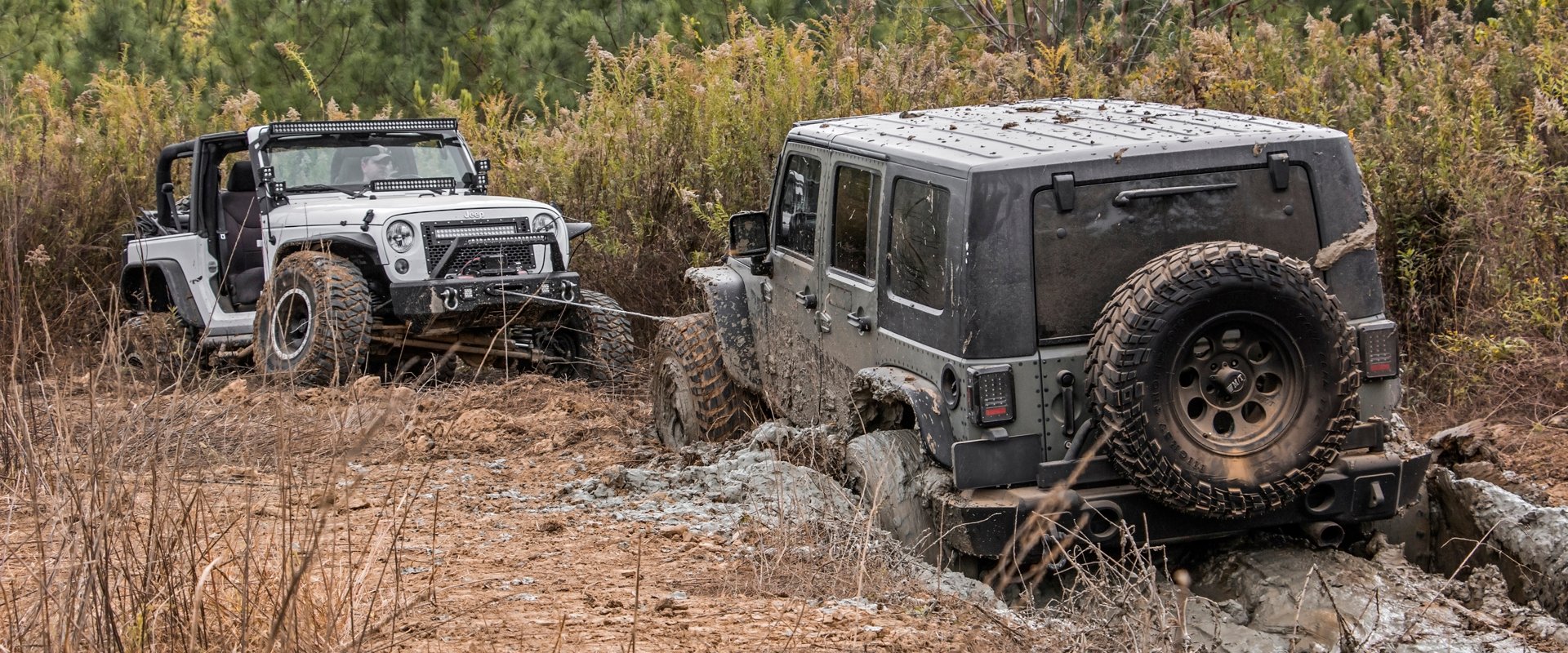
A kinetic recovery rope is a heavy-duty nylon rope designed to help pull vehicles out of mud, sand, snow, and other situations where traction is limited.
What makes a kinetic rope different is its ability to stretch under tension.
When a recovery vehicle begins pulling, the rope stretches and stores energy. As the rope contracts, the stored energy helps move the stuck vehicle. This provides a smoother transfer of force than attempting the same type of recovery with a non-stretch strap.
Most kinetic recovery ropes are designed to stretch approximately 20% to 30%, depending on the rope and the load.
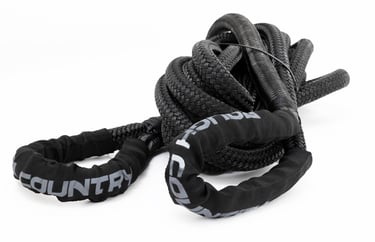
For example, Rough Country's Kinetic Recovery Rope measures 30 feet long, has a 1-inch diameter, and features a 30,000-pound breaking strength. Its nylon construction is water and UV-resistant, making the rope suitable for off-road conditions.
When Should You Use a Kinetic Recovery Rope?
Kinetic ropes are designed for situations where a vehicle is stuck and needs help getting moving again.
Common examples include:
- Mud: Helping free a truck when the tires are spinning and mud is creating resistance.
- Sand: Recovering a Jeep or SUV stuck in loose, soft sand.
- Snow: Pulling a vehicle out of deep snow when another vehicle has enough traction.
- Loose dirt: Helping a vehicle get out of ruts or soft ground.
A kinetic rope makes sense when a controlled dynamic recovery is appropriate and both vehicles have properly rated recovery points.
For vehicles buried to the frame or stuck against an obstacle, clearing debris, using traction boards, or winching is often a better approach.
Get the Latest from Rough Country
Sign up for our newsletter to receive product updates, exclusive deals, and off-road tips straight to your inbox.
What Is a Tow Strap?
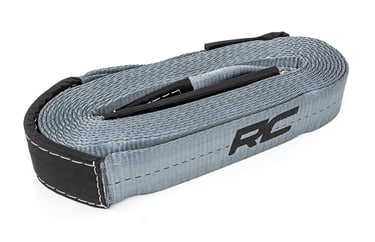
A tow strap is a heavy-duty strap designed for steady, controlled pulling. Traditional tow straps are commonly made from polyester webbing, which stretches far less than the nylon used in kinetic recovery ropes.
Rather than storing and releasing energy, a tow strap transfers pulling force directly between vehicles or equipment.
This makes tow straps useful when moving something under consistent tension without the need for a dynamic pull.
Rough Country's 30-Foot Winch Strap, for example, measures 2.5 inches wide and has a 16,000-pound rated pulling capacity. Its reinforced ends and durable webbing make the strap useful for approved towing, hauling, and winching applications.
When Should You Use a Tow Strap?
A traditional tow strap is better suited to situations where a vehicle already rolls freely and doesn't need a sudden increase in pulling force.
Examples include:
- Moving a disabled vehicle a short distance on suitable private property.
- Repositioning a vehicle using slow, steady tension.
- Performing an approved controlled pull without shock loading.
- Extending a winch line when the strap is rated and approved for the application.
Tow straps are not designed for running-start recoveries. Using a low-stretch strap to yank a stuck vehicle places excessive stress on the strap, attachment points, and recovery hardware.
It's also worth knowing that tow straps and recovery straps aren't always the same thing. Some recovery straps, often called snatch straps, are designed to stretch. Always check the manufacturer's intended use before connecting one to your vehicle.
Kinetic Recovery Rope vs. Tow Strap: Key Differences
The biggest difference between a kinetic recovery rope and a tow strap is how each handles pulling force.
A kinetic recovery rope is typically made from nylon and designed to stretch approximately 20% to 30% under load. This stretch stores energy and helps free vehicles stuck in mud, sand, or snow. Kinetic ropes are intended for controlled dynamic recoveries when both vehicles have properly rated recovery points.
A traditional tow strap is typically made from polyester webbing with minimal stretch. Instead of storing energy, the strap transfers steady pulling force between vehicles or equipment. Tow straps work best when moving a vehicle that already rolls freely and doesn't require a dynamic pull.
Kinetic ropes are better suited for appropriate stuck-vehicle recoveries, while tow straps are designed for slow, controlled pulling.
Neither is the right choice for every situation. Understanding how each works helps you select the proper equipment and avoid unnecessary stress on your vehicle and recovery gear.
Which Works Better in Mud, Sand, and Snow?
Mud Recovery
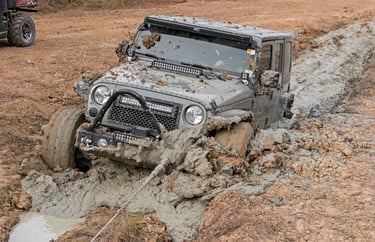
Mud is one of the most common reasons drivers need recovery equipment. Once your tires lose traction, continued spinning often digs the vehicle deeper.
A kinetic rope helps when another vehicle has enough traction to assist with a controlled recovery. Its stretch helps overcome resistance from the mud without the abrupt impact associated with using a static strap for a dynamic pull.
Before attempting recovery, clear mud from around the tires and check whether the frame or axles are resting on the ground. Reducing resistance first puts less strain on your equipment.
For deeply buried vehicles, a winch often provides better control.
Sand Recovery
Soft sand creates problems when tires dig in rather than moving the vehicle forward.
A kinetic rope is useful when a second vehicle has stable footing and enough space to perform a controlled recovery.
Before reaching for the rope, try clearing sand from around the tires or using traction boards. Lowering tire pressure within appropriate limits also helps improve traction in certain off-road conditions.
Sometimes a little digging and better traction are all you need.
Snow Recovery
Snow recovery depends on several factors, including snow depth, ground conditions, and available traction.
A kinetic rope helps free a vehicle stuck in deep snow, provided the assisting vehicle has sufficient traction and the recovery route is safe.
If the ground is covered in ice, the recovery vehicle might struggle to maintain traction. In those situations, shoveling, traction boards, or a winch might be the better option.
Regardless of the conditions, avoid aggressive pulling. A controlled recovery is always the goal.
How to Choose the Right Recovery Rope or Strap
Before buying recovery equipment, consider your vehicle's weight, the equipment's rated capacity, and how you plan to use the gear.
Know Your Vehicle's Weight
Your truck's weight matters when choosing a recovery rope.
A common starting guideline for kinetic recovery ropes is a minimum breaking strength around two to three times the vehicle's gross vehicle mass, depending on manufacturer recommendations.
For example, a vehicle weighing 6,000 pounds would fall within a general reference range of 12,000 to 18,000 pounds of breaking strength. This is only a starting point. Always follow the rope manufacturer's vehicle weight range and sizing instructions.
Choosing the strongest rope available isn't always the best approach. An oversized kinetic rope might not stretch properly when used with a lighter vehicle, resulting in higher forces on recovery points.
This is especially important for smaller Jeeps, SUVs, and UTVs.
Understand Rated Capacity
Recovery equipment often lists either a breaking strength or a working load limit.
Breaking strength refers to the force at which the equipment is expected to fail during testing.
Working load limit (WLL) refers to the maximum approved load for a particular application.
These numbers aren't interchangeable.
For example, Rough Country's kinetic rope features a 30,000-pound breaking strength. This doesn't mean the rope is intended to recover a 30,000-pound vehicle.
Always check the manufacturer's specifications and make sure the rope, shackles, and recovery points are appropriate for the load and intended recovery method.
Check Your Recovery Points
Even the right rope creates problems when connected to the wrong part of your vehicle.
Only attach recovery equipment to properly rated recovery points approved for the intended pulling direction and recovery method.
Never attach a kinetic rope to a trailer hitch ball, bumper, axle, or suspension component.
Factory tow hooks should only be used when the vehicle manufacturer specifically approves them for the type of recovery being performed.
What Other Recovery Gear Do You Need?
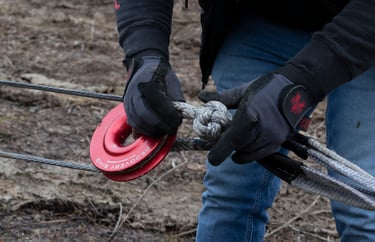
A rope or strap is only one part of your recovery setup. Proper connection hardware and a few additional tools make off-road recovery more manageable.
Soft Shackles
Soft shackles provide a lightweight connection between recovery equipment and compatible rated recovery points. Their synthetic construction also reduces the amount of metal hardware involved in the recovery.
D-Ring Shackles
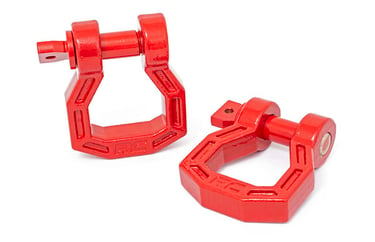
Steel D-ring shackles provide another connection option when properly rated and used with compatible attachment points. Always check their working load limits and inspect them before use.
Tree Saver Straps
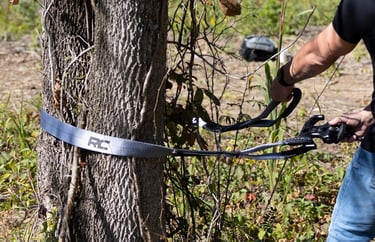
When using a winch, a dedicated tree saver strap helps protect both your winch line and the tree serving as an anchor point.
Rough Country's 8-Foot Tree Saver Strap features reinforced loops and durable polyester webbing.
Winches and Traction Boards
A winch provides controlled pulling power when a kinetic recovery isn't appropriate. Traction boards help tires regain grip in loose dirt, mud, sand, or snow.
Carrying more than one recovery option gives you flexibility when trail conditions change.
Common Recovery Mistakes to Avoid
Recovery equipment handles substantial force, and using the wrong tool increases the risk of damage or injury.
Keep these common mistakes in mind:
- Using a tow strap for a running-start recovery. Traditional low-stretch straps aren't designed to handle dynamic snatch loads.
- Using a kinetic rope for regular towing. Kinetic ropes are designed to stretch during recovery, not for continuous vehicle towing.
- Attaching equipment to unrated points. Bumpers, hitch balls, suspension parts, and cargo tie-downs are not appropriate recovery points.
- Pulling too aggressively. Excessive speed increases the force transferred to the vehicles and recovery equipment.
- Standing too close. Keep spectators and passengers well outside the recovery area and away from tensioned equipment.
- Ignoring worn gear. Frayed ropes, damaged straps, and bent shackles should be replaced before another recovery.
- Continuing when the vehicle won't move. Stop, reassess the situation, and consider another recovery method rather than repeatedly increasing the pulling force.
Always follow the manufacturer's recovery procedures and use appropriate safety equipment. If the vehicle is unstable, deeply buried, or positioned where recovery presents additional risks, professional assistance is the safer option

Kinetic recovery ropes and tow straps have different jobs, and knowing when to use each helps you prepare for whatever conditions you encounter.
If you regularly drive through mud, sand, or snow, a kinetic recovery rope is worth considering. For steady, controlled pulling, a properly rated tow strap is the better choice.
Before heading off-road, check your equipment, confirm your recovery points, and make sure your gear matches your vehicle.
FAQs
Is a kinetic recovery rope the same as a tow strap?
No. A kinetic recovery rope stretches to store and release energy during vehicle recovery. A traditional tow strap has minimal stretch and is designed for steady pulling. Each serves a different purpose.
Which is better for pulling a truck out of mud?
A kinetic recovery rope is generally better suited to pulling a truck out of mud when a controlled dynamic recovery is appropriate. Its stretch helps overcome resistance around the tires. For trucks buried deeply or resting on their frames, a winch or another controlled recovery method is often more appropriate.
What size kinetic recovery rope do I need?
Choose a kinetic rope based on the manufacturer's recommended vehicle weight range and minimum breaking strength. A common general guideline is a breaking strength two to three times the vehicle's gross vehicle mass, but rope construction, vehicle weight, and the intended application all affect proper sizing.
Should I carry both a kinetic rope and a tow strap?
Carrying both provides options for different situations. A kinetic rope is useful for recovering stuck vehicles, while a traditional tow strap is suited to approved steady-pull applications. A winch, traction boards, and properly rated shackles round out a practical off-road recovery kit.