Free shipping sitewide!* View Details
Free shipping sitewide!* View Details

Winch vs. Traction Boards: Which Recovery Tool Should You Carry?
November 9, 2026
0
winches for trucks
winches for jeeps
winching tips
winch
recovery gear
traction boards
Winch vs. Traction Boards: What's the Difference?
Both recovery tools help get stuck vehicles moving, but they work differently.
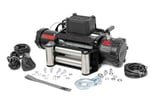
A winch uses a motor and a rope or steel cable to pull a vehicle toward a secure anchor point. Winches are especially useful when a vehicle is deeply stuck, high-centered, or unable to drive out on its own.
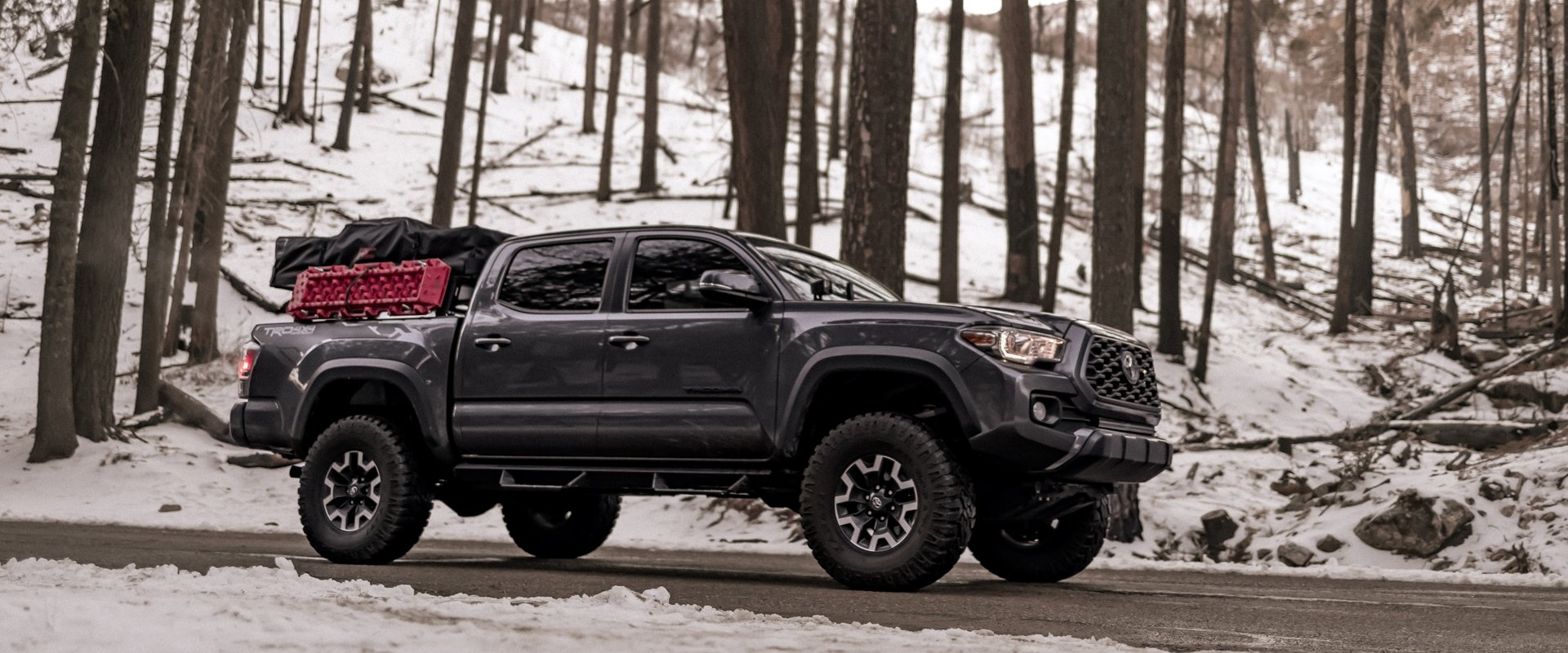
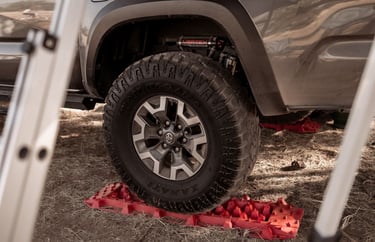
Traction boards are portable boards with raised gripping surfaces. You position them beneath your tires to provide traction on sand, snow, mud, or loose dirt.
The biggest difference is simple: A winch provides pulling force, while traction boards help your tires regain grip.
Quick Comparison: Winch vs. Traction Boards
|
Feature |
Winch |
Traction Boards |
|
Best for |
Deep mud, steep inclines, difficult recoveries |
Sand, snow, shallow mud, loose dirt |
|
Recovery method |
Pulls the vehicle |
Provides tire traction |
|
Requires an anchor |
Yes |
No |
|
Installation |
Requires a compatible mount and electrical connections |
No installation |
|
Cost |
Higher |
Lower |
|
Storage |
Typically mounted to the vehicle |
Stored in the bed, cargo area, or exterior mount |
|
Maintenance |
Regular inspections and upkeep |
Cleaning and checking for damage |
|
Solo recovery |
Useful with a suitable anchor |
Useful when the vehicle is still able to drive out |
Get the Latest from Rough Country
Sign up for our newsletter to receive product updates, exclusive deals, and off-road tips straight to your inbox.
How Does a Winch Work?
A winch uses an electric motor to wind a rope or steel cable around a drum. The line attaches to a properly rated anchor point, allowing the winch to pull the vehicle toward the anchor.
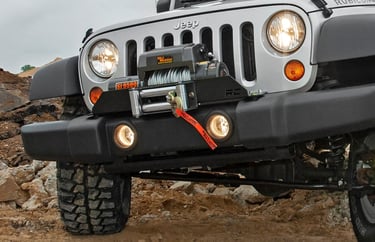
Most off-road winches mount to a compatible winch plate or winch-ready bumper. They provide an option for recovering a vehicle when the tires don't have enough traction to move forward.
When Is a Winch the Better Choice?
A winch makes more sense when your vehicle needs more than additional tire traction.
Common situations include:
- Deep mud where the tires or undercarriage are buried
- Steep, slippery inclines
- Deep snow or heavy drifts
- High-centered vehicles resting on rocks or ruts
- Difficult trail conditions where driving out isn't possible
For example, if your truck sinks into mud deep enough for the undercarriage to drag, traction boards might not provide enough help. A winch provides the pulling force needed to assist with recovery, provided there's a suitable anchor and safe recovery path.
What Are the Downsides of a Winch?
Winches are useful recovery tools, but they require more equipment, preparation, and maintenance.
First, you need a secure anchor point. Suitable trees, properly equipped recovery vehicles, and purpose-built anchors are common options. Without a safe anchor, a conventional winch has limited use.
You'll also need a compatible mounting system and proper electrical connections. This increases the initial cost compared to traction boards.
Winch capacity matters, too. A common starting guideline is choosing a winch with a rated line pull of at least 1.5 times your vehicle's loaded weight. Recovery conditions, mounting limitations, and manufacturer recommendations also factor into selecting the right equipment.
Proper winching techniques are important. Incorrect rigging, unsuitable attachment points, or overloaded equipment create serious safety risks.
How Do Traction Boards Work?
Traction boards provide a gripping surface for tires spinning on loose or slippery ground.
To use them, clear material from around the tires and position the boards in your intended direction of travel. The tires grip the raised surfaces, helping your vehicle move onto firmer ground.
Traction boards don't pull your vehicle. Your tires still need enough grip and driving force to move the vehicle forward or backward.
When Are Traction Boards the Better Choice?
Traction boards work well when traction loss is the main reason your vehicle is stuck.
They're useful for:
- Loose sand
- Shallow mud
- Snow-covered trails
- Soft dirt
- Minor ruts and uneven terrain
They're also helpful in areas without suitable winch anchors.
For drivers who occasionally encounter sand, mud, or snow, traction boards offer a practical recovery option without installing additional equipment on the vehicle.
What Are the Downsides of Traction Boards?
Traction boards have limits, especially when a vehicle is deeply stuck.
If your truck is buried to its frame or high-centered on an obstacle, restoring tire grip might not be enough to move the vehicle.
Using traction boards also takes some physical work. You'll often need to dig around the tires and position the boards before attempting recovery.
Which Recovery Tool Works Best for Different Terrain?
The ground conditions often determine whether traction boards or a winch makes more sense.
Snow: Winch or Traction Boards?
Traction boards are a good starting point for shallow snow where the tires are spinning without gaining traction.
Clearing snow from around the tires and placing the boards beneath them helps provide a surface for the tires to grip.
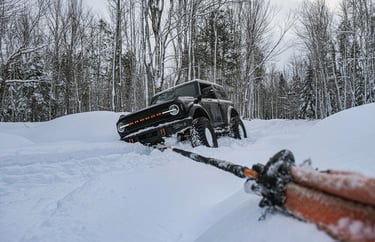
Deep snow creates a different problem. When the vehicle is buried or snow has packed beneath the undercarriage, a winch is often more effective.
Best option: Traction boards for shallow snow and minor traction loss. A winch for deeper snow recovery when a safe anchor is available.
Mud: Winch or Traction Boards?
Mud recovery depends largely on how deep the vehicle has sunk.
In shallow mud, traction boards help tires find grip. Clearing mud from the tire path before placing the boards improves your chances of driving out.
Deep mud creates greater resistance, especially when the undercarriage is dragging or the tires are buried.
A winch is generally more useful in those situations because additional tire traction alone might not move the vehicle.
Best option: Traction boards for shallow mud. A winch for deep mud or difficult recoveries.
Sand: Winch or Traction Boards?
Traction boards are particularly useful in sand.
Loose sand shifts beneath the tires, and applying too much throttle often causes them to dig deeper. Clearing sand away from the tires and positioning traction boards provides a firmer surface for driving out.
Lowering tire pressure to an appropriate level for the vehicle, tires, and conditions also helps improve traction on soft sand. Always follow applicable manufacturer guidance and reinflate before returning to pavement.
A winch is useful for more difficult sand recoveries, but finding a suitable anchor in an open sandy area is often a challenge.
Best option: Traction boards for most minor to moderate sand recovery situations.
Loose Dirt and Rocky Trails: Winch or Traction Boards?
On loose dirt, traction boards help when your tires spin without gaining enough grip to move forward.
Rocky trails present different problems.
If your vehicle becomes high-centered or stuck against an obstacle, a winch provides more recovery options when a suitable anchor and safe pulling direction are available.
Best option: Traction boards for loose dirt. A winch for high-centered vehicles and more difficult trail obstacles.
Which Recovery Tool Is Better for Solo Off-Roading?
If you frequently travel off-road alone, having reliable recovery equipment becomes even more important.
Traction boards work without another vehicle or an anchor point, making them useful for solo recovery when the vehicle still has enough clearance and driving power to get moving.
A winch provides another option for more difficult situations. With the right anchor and recovery equipment, you don't need another vehicle to provide pulling force.
For frequent solo off-roading, carrying both recovery tools offers more flexibility.
It's also important to have a way to contact someone if recovery isn't possible. Let someone know your route and expected return time, especially when traveling in remote areas.
Do You Need Traction Boards if You Already Have a Winch?
Yes, traction boards are still worth carrying if you have a winch.
A winch isn't always the most practical option for a minor traction problem. If your tires are spinning in sand or shallow snow, traction boards might get you moving without setting up a winch.
There are also situations where finding a safe winch anchor isn't possible. Traction boards provide another recovery method in those conditions.
Keeping both in your recovery kit gives you the flexibility to use whichever tool fits the situation. In some recoveries, using traction boards alongside a winch helps provide traction while the winch supplies controlled pulling force.
Check the rope or cable, electrical connections, mounting hardware, and controls. Inspect synthetic rope for cuts, abrasion, and other damage. Follow the manufacturer's instructions for cleaning, maintenance, and proper spooling.
Common Recovery Mistakes to Avoid
Even good recovery equipment won't help much when used incorrectly.
Spinning your tires too much: Excessive throttle often makes a stuck vehicle sink deeper. Stop and assess the situation before continuing.
Skipping the digging: Removing mud, sand, or snow from around the tires reduces resistance and helps traction boards work more effectively.
Using an unsuitable winch anchor: Always verify the anchor and recovery points are appropriate for the expected load.
Ignoring equipment ratings: Recovery forces often exceed vehicle weight, especially in deep mud or on steep terrain. Check the ratings of every component in your recovery setup.
Standing near a tensioned winch line: Keep everyone clear of loaded lines and the recovery path. Follow the manufacturer's safety instructions.
Using too much throttle on traction boards: Apply controlled throttle to avoid damaging the boards or sending them out from under the tires.
Attempting an unsafe recovery: If your vehicle is unstable, at risk of rolling, or positioned where recovery introduces additional hazards, professional assistance is the safer choice.
Take the time to assess the situation before attempting any recovery. Getting unstuck quickly should never take priority over safety.
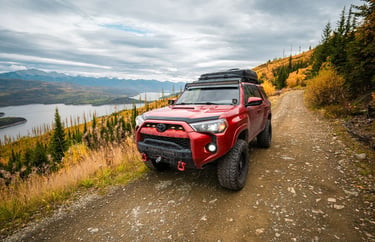
Winch vs. Traction Boards: Which Should You Buy First?
If you're putting together your first recovery kit, start with the terrain you drive most often.
Start with traction boards if:
- You mainly drive on sand, snow, loose dirt, or mild trails.
- You want an affordable recovery option.
- You don't have a winch mount or winch-ready bumper.
- You frequently drive in areas without suitable anchor points.
Start with a winch if:
- You regularly drive challenging off-road trails.
- Deep mud, steep inclines, or high-centering are common concerns.
- You need pulling force for recoveries where traction alone isn't enough.
- Your vehicle has a compatible mounting system.
Consider carrying both if:
- You frequently travel on remote trails.
- You encounter different terrain throughout the year.
- You often head off-road alone.
- You want more options when one recovery method isn't enough.
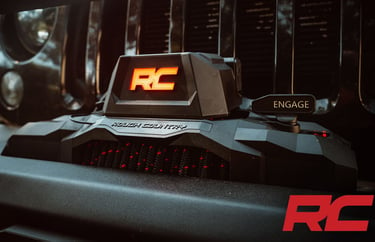
Each recovery tool serves a different purpose, so the better choice depends on where and how you drive.
Traction boards work well for minor to moderate traction problems, especially in sand, snow, and loose dirt. A winch is better suited for difficult recoveries where additional pulling force is needed and a safe anchor is available.
For drivers who regularly encounter changing trail conditions, keeping both in your recovery kit gives you more options when you get stuck.
Rough Country offers winches, traction boards, winch-ready bumpers, and recovery accessories for trucks, Jeeps, SUVs, and UTVs. Choose equipment suited to your vehicle and the conditions you expect to encounter, and make sure you know how to use each piece before heading off-road.
FAQs
Are traction boards worth carrying if you already have a winch?
Yes. Traction boards are useful for minor recovery situations where setting up a winch isn't necessary. They're also helpful in open areas without suitable winch anchors. Carrying both gives you more recovery options when trail conditions change.
Will traction boards work for a heavy truck?
Traction boards work for full-size trucks when they're rated for the vehicle's weight and used properly. Their effectiveness depends on ground conditions, tire traction, and how deeply the truck is stuck. Heavy vehicles buried in deep mud or sand often require additional recovery equipment.
Is a winch better than traction boards for winter driving?
Both have advantages in winter conditions. Traction boards help tires regain grip in shallow snow and slippery areas, while a winch is better suited for vehicles stuck in deep snow or difficult terrain. The right choice depends on how stuck your vehicle is and whether a safe winch anchor is available.
What size winch do I need for my truck or Jeep?
A common starting point is choosing a winch with a rated line pull of at least 1.5 times your vehicle's loaded weight. For example, a truck weighing 6,000 pounds would typically need a winch rated for at least 9,000 pounds. Consider your vehicle's weight, recovery conditions, mounting system, and the manufacturer's recommendations before choosing a winch.