Free shipping sitewide!* View Details
Free shipping sitewide!* View Details

Synthetic Winch Rope vs. Steel Cable: Which Is Better for Your Winch?
September 28, 2026
0
winch
synthetic rope winch
winches
steel cable winch
What Is the Difference Between Synthetic Winch Rope and Steel Cable?
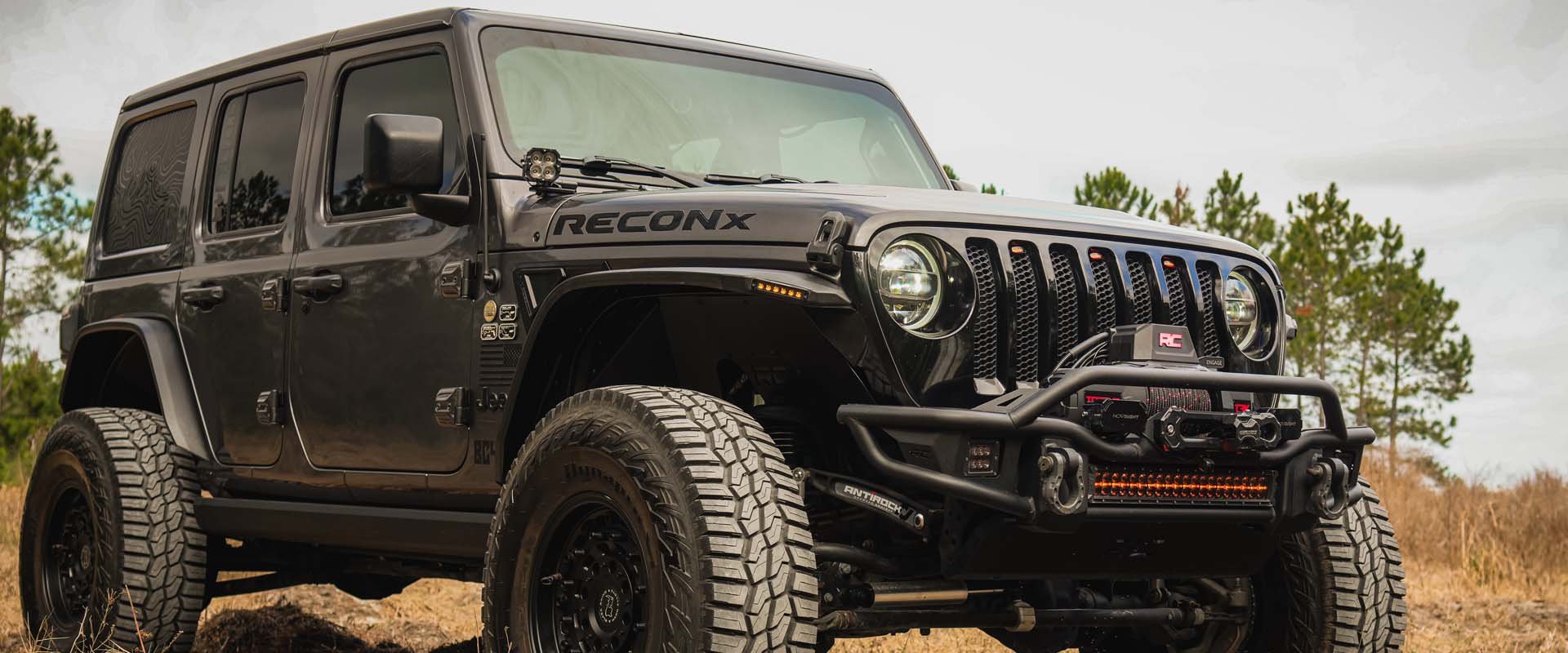
The biggest difference is the material.
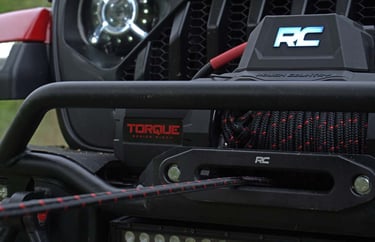
Synthetic winch rope uses high-strength fibers. Steel cable uses twisted steel wire strands.
From there, the differences show up quickly. Synthetic rope weighs less and stays flexible, which makes a long pull to an anchor point easier. Steel cable feels heavier and stiffer, but it holds up better when the line regularly comes into contact with rough surfaces.
Neither option wins every category.
The better question is simple: what kind of use will your winch see most often?
Synthetic Winch Rope vs. Steel Cable: Quick Comparison
|
Factor |
Synthetic Rope |
Steel Cable |
|
Weight |
Lighter |
Heavier |
|
Handling |
Flexible and easier to pull by hand |
Stiffer and heavier |
|
Energy under load |
Stores less potential energy |
Stores more potential energy |
|
Abrasion resistance |
Needs more protection |
Handles abrasion better |
|
Rust |
Does not rust |
Susceptible to corrosion |
|
Weather exposure |
Needs protection from UV and contamination |
Needs protection from moisture and rust |
|
Maintenance |
Inspect, clean, and protect from abrasion |
Inspect for kinks, burrs, rust, and broken strands |
|
Trail recovery |
Well suited |
Well suited |
|
Utility work |
Works with proper line protection |
Often a better fit |
|
Initial cost |
Usually higher |
Usually lower |
Is Synthetic Winch Rope Better Than Steel Cable?
Not for everyone.
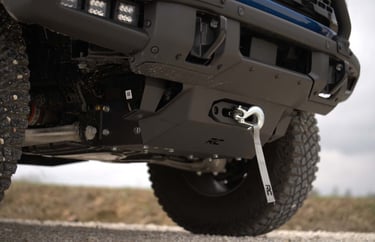
Synthetic rope often works better for trail rigs, recreational off-road vehicles, and drivers who want less weight hanging off the front bumper.
Steel cable often works better for frequent utility jobs where the line gets dragged around rocks, brush, logs, or equipment.
Synthetic rope is worth considering if:
- You spend a lot of time trail riding.
- You pull the line out by hand often.
- Lower front-end weight matters to your setup.
- Your winch sees mud, sand, or recreational recovery more than heavy work.
- You are willing to inspect and protect the rope from abrasion.
Steel cable is worth considering if:
- Your winch sees regular farm, property, or jobsite work.
- Rough surfaces are hard to avoid.
- You want a lower starting price.
- Extra line weight is not a major concern.
If you know where and how you will use the winch, the decision gets much easier.
How Much Lighter Is Synthetic Winch Rope?
The weight difference is easy to see when you compare similar winches.
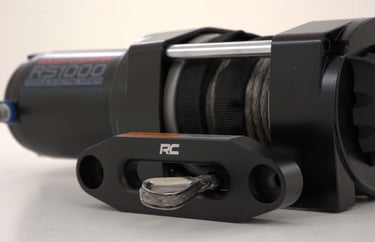
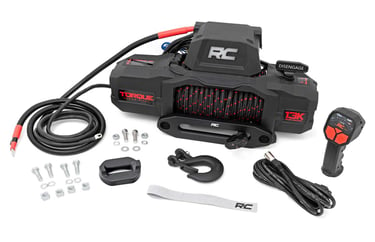
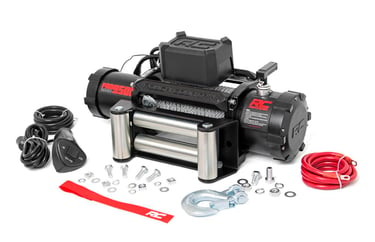
For example, Rough Country's 12,000-lb Pro Series Winch with synthetic rope weighs 64.15 pounds. The steel-cable version weighs 87.85 pounds.
That is a difference of 23.7 pounds between the two complete winch setups.
Twenty-plus pounds matters when you already have a bumper, winch plate, recovery gear, lighting, and other accessories mounted on the front of your vehicle.
The lower weight also helps once you start pulling line.
If your anchor point sits 40 or 50 feet down the trail, carrying synthetic rope through mud, rocks, or uneven ground is easier than dragging out the same length of steel cable.
Is Synthetic Winch Rope Safer Than Steel Cable?
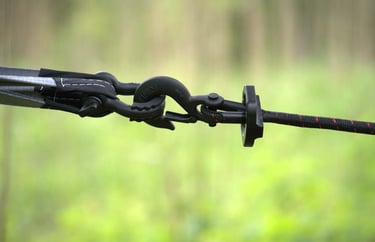
Synthetic rope has some safety advantages, but every loaded winch line deserves the same respect.
Synthetic rope stores less potential energy under tension than steel cable. Steel cable also develops sharp burrs when individual wires start breaking.
Those differences matter during recovery, but neither line is safe to stand near while loaded.
Keep people away from the line during a pull. Never step over a line under tension. Wear gloves when handling recovery gear, and keep your hands away from the fairlead, hook, and drum while the winch is running.
Synthetic rope reduces some risks. It does not replace proper winching habits.
Which Winch Line Handles Abrasion Better?
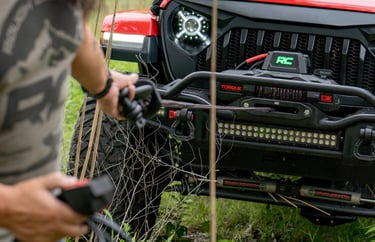
Steel cable handles abrasion better.
If your winch line regularly rubs against rocks, logs, metal edges, brush, or other rough surfaces, steel has the advantage.
That is one reason steel cable stays popular for farm work, property maintenance, equipment recovery, and other utility jobs.
Synthetic rope needs more protection from rough contact. Sharp edges, damaged fairleads, and repeated rubbing weaken the fibers over time.
If you run synthetic rope, pay attention to where the line travels during a pull. Use the proper protection when the rope passes near an abrasive surface.
Synthetic rope still performs well in demanding situations. It simply asks for a little more attention to line placement.
Does Synthetic Winch Rope Need Maintenance?
Yes.
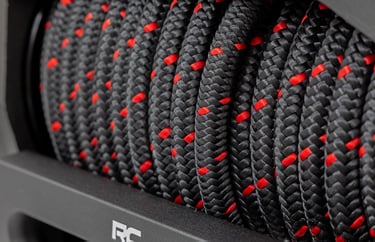
Synthetic rope needs regular inspection, especially after muddy or rough recoveries.
Before and after use, look for:
- Cuts
- Heavy fuzzing
- Flattened areas
- Melted or glazed fibers
- Deep abrasion
- Unusual discoloration
- Damage near the hook or drum
Mud and grit deserve attention too.
Dirt works its way into the rope fibers and adds wear over time. After a dirty recovery, clean the line according to the manufacturer's instructions, let it dry, and spool it back onto the drum evenly.
A quick inspection after use goes a long way.
Does Steel Winch Cable Need Maintenance?
Yes. Steel cable is tough, but it still needs attention.
Inspect the cable for:
- Broken wires
- Sharp burrs
- Kinks
- Flattened areas
- Crushed sections
- Rust
- Damage near the hook
- Damage near the drum connection
If a cable develops a serious kink or crushed section, do not assume straightening it restores the original strength.
Wear gloves every time you handle steel cable. Even a small broken strand can leave a sharp edge.
What Happens to Winch Lines in Rain, Mud, and Bad Weather?
Weather affects both line types in different ways.
Synthetic rope does not rust, which gives it an advantage in wet environments. Dirt, sand, UV exposure, chemicals, and abrasion still wear down the fibers.
Steel cable handles sunlight without the same UV concerns, but water, road salt, and moisture lead to corrosion if the cable stays exposed.
After wet, salty, or muddy use, inspect the line and clean your winch setup before putting everything away.
The winch housing matters too. Rough Country's current 9,500-lb and 12,000-lb Pro Series winches carry an IP67 waterproof and dustproof rating in both synthetic-rope and steel-cable versions.
Which Winch Line Is Better for Trail Recovery?
For many trail-focused rigs, synthetic rope has the edge.
The lower weight helps, but handling is the bigger advantage for most drivers.
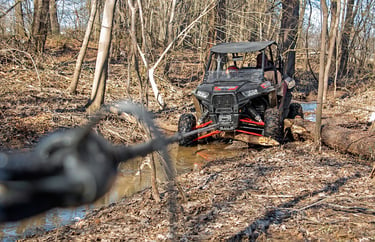
Picture your Jeep stuck in mud with the nearest anchor point 50 feet ahead. Pulling lightweight synthetic rope through uneven ground is easier than handling a long section of steel cable.
Synthetic rope also does not rust after wet trail rides.
The tradeoff comes back to abrasion. Rocks, sharp edges, and rough surfaces need extra attention during setup.
If your winch spends most of its time helping with vehicle recovery on the trail, synthetic rope is usually the more convenient option.
Is Steel Cable Better for Frequent Work Use?
For many work-focused setups, yes.
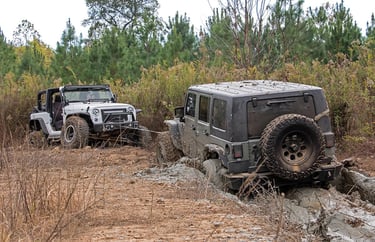
Steel cable handles rough contact well, which matters when the winch is used around logs, rocks, brush, equipment, or jobsite materials.
Common examples include:
- Pulling logs
- Clearing brush
- Moving rocks
- Farm work
- Property maintenance
- Equipment recovery
- Jobsite use
If abrasion is hard to avoid, steel has a clear advantage.
Synthetic rope still works for work use, especially where lower weight or corrosion resistance matters more. The main difference is how much attention you need to give line protection.
Which Winch Line Lasts Longer?
There is no set winner.
Steel cable handles abrasion well, but rust, kinks, crushed sections, and broken strands shorten its service life.
Synthetic rope avoids rust, but abrasion, heat, UV exposure, contamination, and poor spooling wear it down.
A well-maintained line will usually outlast a neglected one, regardless of material.
Inspect the line based on condition rather than age alone. Replace it when damage makes safe use questionable.
Does Synthetic Winch Rope Cost More Than Steel Cable?
In some cases, yes.
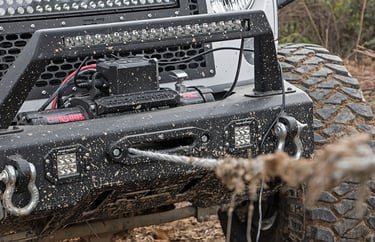
Rough Country's current 12,000-lb Pro Series Winch lists at $499.95 with synthetic rope and $449.95 with steel cable.
The 9,500-lb Pro Series follows the same pattern, with the synthetic version listed at $449.95 and the steel version at $399.95.
Prices change, so check current listings before buying.
The lower-priced option is not always the better value for your setup. Think about how often you use the winch, where the vehicle is stored, how much the line weighs, and what kind of wear it will see.
When Should You Choose Synthetic Winch Rope?
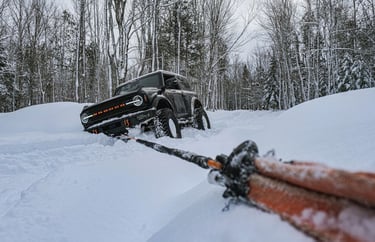
Synthetic rope is a good fit when trail recovery and easier handling matter most.
It works especially well if:
- You want less weight on the front of the vehicle.
- You often pull line by hand.
- Mud and water are common.
- You want a line that will not rust.
- Your recovery routes usually avoid sharp or abrasive surfaces.
For a trail-focused Jeep, weekend off-road truck, or UTV, synthetic rope checks a lot of boxes.
When Should You Choose Steel Winch Cable?
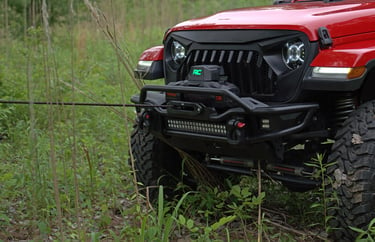
Steel cable is a practical choice when abrasion resistance matters more than weight.
It works well if:
- You use the winch for farm or property work.
- Logs, rocks, brush, or equipment are common.
- Rough contact is hard to avoid.
- The extra weight does not bother your setup.
- You want to keep the purchase price lower.
For a work truck or utility rig, steel often earns its place through durability and cost.
Which Winch Line Should You Choose?
Start with your normal use, not the spec sheet.
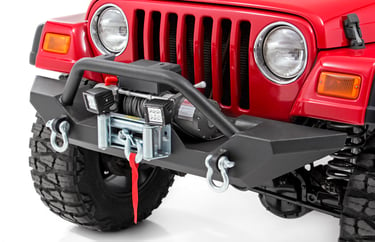
If you mostly trail ride, recover stuck vehicles, and want lighter, easier-to-handle line, synthetic rope is likely the better fit.
If you use your winch as a work tool around rough surfaces, steel cable often has the advantage.
Whichever line you choose, match the winch capacity to your vehicle, use the correct mounting system and fairlead, and inspect your recovery gear before use.
The best winch line is the one that fits the way you use your truck, Jeep, SUV, or UTV.
FAQs
Is synthetic winch rope better than steel cable?
Synthetic rope works better for drivers who value lower weight, easier handling, and rust resistance. Steel cable works better around rough surfaces and frequent utility use. The right choice depends on how you use the winch.
Is synthetic winch rope safer?
Synthetic rope stores less potential energy under tension and does not develop sharp steel burrs. You still need to keep people away from the line during a pull and follow proper recovery procedures.
Which winch line lasts longer?
Neither line has a guaranteed longer lifespan. Steel cable wears from rust, kinks, and broken wires. Synthetic rope wears from abrasion, heat, UV exposure, and contamination. Maintenance and use have a major effect on service life.
Does synthetic winch rope need maintenance?
Yes. Inspect synthetic rope for cuts, heavy abrasion, flattened sections, heat damage, and contamination. Clean dirty rope, let it dry, and respool it evenly after use.
Is steel cable better for frequent work use?
Steel cable often works better for frequent utility work because it handles abrasion well. Farm work, equipment recovery, logging, brush clearing, and other rough jobs are common examples.
Should I use synthetic rope on my truck or Jeep winch?
Synthetic rope works well on many trail-focused trucks and Jeeps because it weighs less and feels easier to handle. Check your winch, fairlead, mounting system, and line specifications before changing line types.